
For today’s design students, game design represents one of the most exciting and future-ready career paths. As gaming continues to dominate global entertainment, the industry is actively looking for designers who can think creatively, work with technology, and design meaningful user experiences.
The global gaming industry is now valued at over USD 180 billion, making it larger than the film and music industries combined. With this rapid growth, studios are increasingly investing in skilled designers who can create engaging, immersive gameplay rather than just visually impressive assets. However, entering the gaming industry requires more than just a passion for playing games. It requires a structured understanding of design principles, hands-on technical exposure, and the ability to think like a problem solver. This is where the right skills and the right education make all the difference.
This blog looks at the core skills shaping the next generation of game designers and how design students can prepare for careers in the fast-growing gaming industry.
1. Strong Design Fundamentals
At the foundation of game design lie strong design fundamentals. Just like communication design, product design, or UI/UX, game design depends on principles such as balance, hierarchy, flow, feedback, and user engagement. A game designer must understand how mechanics work, how rules guide player behaviour, and how difficulty is structured to keep players motivated. For instance, in a platform game, deciding how high a character can jump or how fast obstacles move directly affects how difficult or fun the game feels. If these fundamentals are not balanced properly, players may feel bored or frustrated.
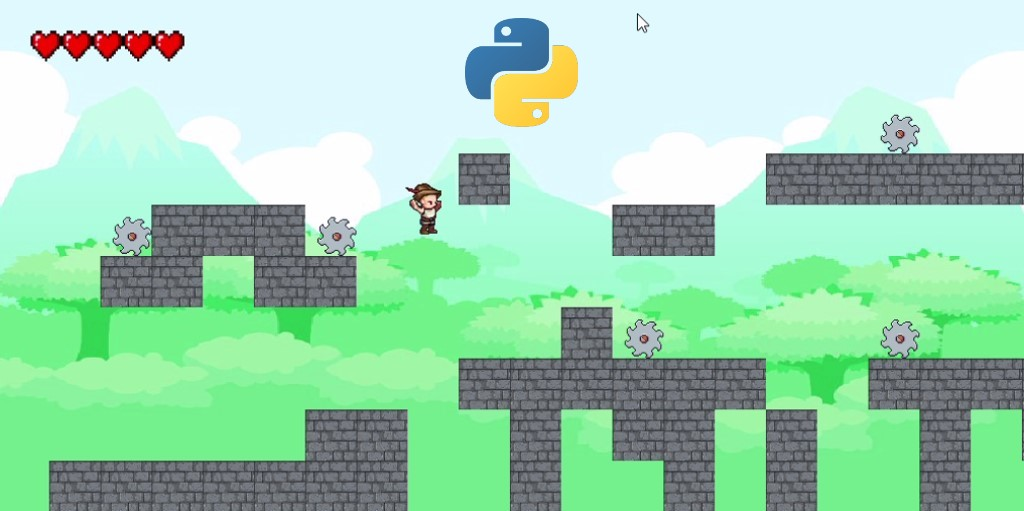
These fundamentals are best learned through guided study, critique, and practice, something a UGC-recognised game design course offers in a structured and academically sound way. For design students, this ensures they are not just learning tools but developing design thinking that meets industry standards.
2. Turning Challenges into Gameplay (literally!)
Game designers must constantly come up with new ideas while also evaluating whether those ideas actually work in play. In game design, creativity goes beyond visual aesthetics. Designers are expected to imagine worlds, systems, and interactions that feel intuitive and engaging. This often involves working within technical or production constraints, making creative problem-solving a daily part of the job.

For example, you might design a puzzle game where players use light and shadows to solve levels. If players get stuck too often, critical thinking helps you redesign the puzzle flow so it remains challenging but not confusing. This mix of imagination and analysis is what turns an idea into a playable experience.
3. Building Worlds Players Can Feel
Storytelling also plays a vital role in modern game design. Games today are immersive narratives where players actively participate in the story rather than passively consuming it. Understanding narrative structure, character development, pacing, and emotional engagement helps designers create deeper experiences.

An abandoned environment with broken objects, dim lighting, and slow music can communicate loss or danger without a single line of text. Understanding how players feel as they move through a game helps designers create emotional, memorable experiences.
4. Understanding the Tech Behind the Play
Technical awareness is equally important for aspiring game designers. While designers are not expected to become expert programmers, they must understand how games are built. Learning industry-standard tools such as Unity or Unreal Engine allows students to prototype ideas, test mechanics, and communicate effectively with developers. For example, a designer can build a simple level, adjust enemy behaviour, or change camera movement to see how it affects gameplay. This technical awareness also helps designers communicate better with developers and make realistic design decisions.
5. Great Games Are Built Together
Game development is a team effort. Designers work closely with artists, animators, developers, writers, and sound designers to bring a game to life. Clear communication ensures everyone understands the vision.
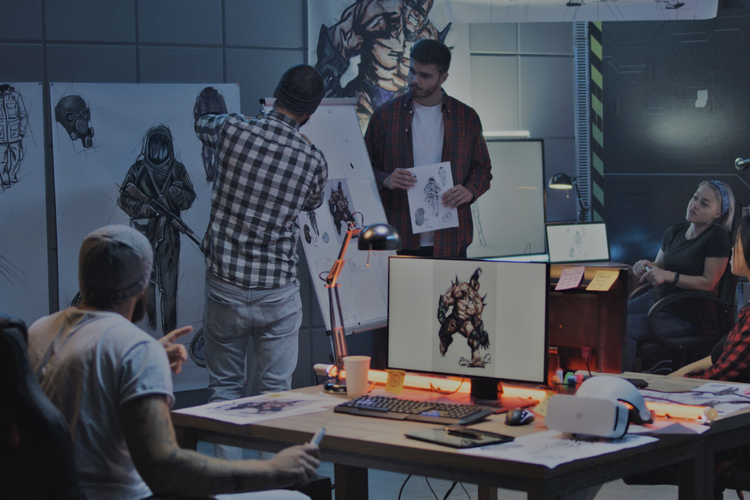
A designer might explain how a character should feel to play, while an animator focuses on movement, and a sound designer adds audio feedback. Being open to feedback and working collaboratively ensures the final game feels cohesive and polished.
At ARCH, these essential game design skills are nurtured through a structured, hands-on, and industry-aligned approach. The curriculum is designed to help design students move beyond theory and actively apply game design fundamentals, storytelling, technical awareness, and collaboration through real projects and guided mentorship. With a strong focus on experimentation, critique, and portfolio development, ARCH prepares students to think like professional game designers while building the confidence to work in real-world studio environments. To know more, contact us today!