
We live in a time of constant notifications, endless scrolling, and competing demands for attention.For today’s design students, the digital world is both a playground and a pressure cooker. Screens dominate how we learn, work, connect, and relax. Notifications interrupt focus, interfaces compete for attention, and content never seems to end. In this environment, design is no longer just about engagement or innovation, it carries a new responsibility: to create calm.
Designing calm is not about removing functionality or creativity. It is about designing experiences that respect attention, reduce cognitive load, and help users feel in control rather than overwhelmed. As digital fatigue grows, calm design is becoming one of the most valuable skills a designer can offer.
The Reality of Digital Overstimulation
Digital overstimulation is no longer a personal problem; it’s a design problem. Studies have shown that the average smartphone user receives dozens, often over a hundred, notifications per day. Each interruption fragments attention and increases cognitive effort. Research in cognitive psychology also suggests that frequent task-switching can reduce productivity by up to 40%, making focus harder to regain once broken.

For users, this results in decision fatigue, stress, and disengagement. Many apps add features over time instead of refining existing ones. What starts as a simple task, booking a cab, tracking expenses, or setting a reminder often involves navigating through crowded screens, pop-ups, and secondary actions. This overload forces users to think harder than necessary, increasing frustration and abandonment.
For designers, it raises an important question: Are we designing to help people, or are we adding to the noise? Design students entering the industry must recognise that every animation, alert, colour, and interaction contributes either to clarity or chaos.
Calm as a Design Principle, Not a Style
Calm design is often confused with minimalism, but the two are not the same. Minimalism focuses on reduction; calm design focuses on experience. A calm interface can still be information-rich, but it presents information in a structured, predictable, and humane way.
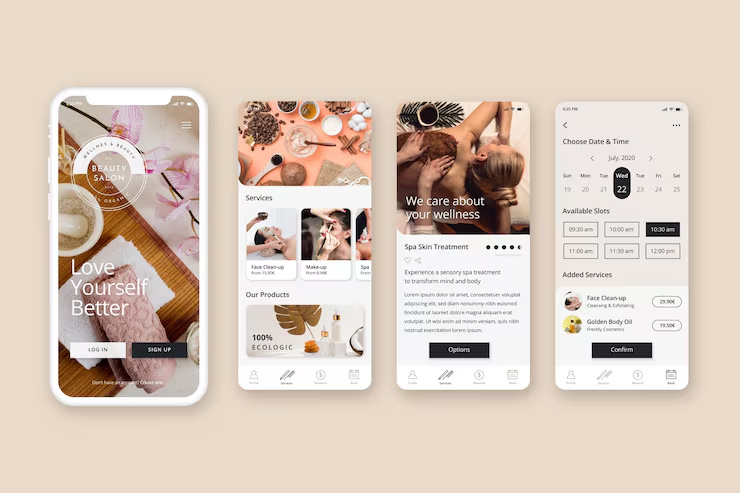
Key elements of calm design include:
- Clear visual hierarchy that guides attention naturally
- Generous spacing and breathing room
- Predictable interactions that reduce mental effort
- Fewer, more intentional choices
For example, many successful digital products, rather than showing all details upfront, calm interfaces reveal information progressively. For example, advanced settings remain hidden until users choose to explore them. This reduces cognitive load and keeps the primary experience focused.
Visual Language That Reduces Stress
Visual decisions have a direct emotional impact. High contrast, aggressive colours, constant motion, and dense layouts can create tension, even when users don’t consciously realise it.
Designing calm involves thoughtful choices:
- Softer colour palettes with controlled contrast
- Readable typography with clear hierarchy
- Subtle, purposeful animations instead of constant motion
- Fewer visual distractions competing for attention

Even microcopy plays a role. Calm design avoids alarmist language and pressure-driven messaging. Simple, human copy can significantly reduce anxiety, especially in high-stakes contexts like finance, health, or productivity tools.
For design students, this highlights an important lesson: how something feels is just as important as how it functions.
The Responsibility of Designers
For design students, this conversation is especially important. The choices you make as a designer will shape how people experience technology every day. Designing calm requires restraint, empathy, and the confidence to say less is enough.

It also requires ethical awareness. Designers must ask:
- Does this feature genuinely help the user?
- Does this interaction respect their attention?
- Does this design reduce or increase mental load?
In many ways, calm design reflects maturity in design thinking. It moves beyond novelty and performance toward care and responsibility.
At ARCH College of Design & Business, design education goes beyond teaching tools, software, or visual skills. Students are encouraged to understand what truly matters in today’s world—attention, wellbeing, responsibility, and impact. Through a curriculum that integrates design thinking, ethics, sustainability, and real-world context, ARCH prepares students to design with awareness and intent.
In a world that often demands more, faster, and louder, ARCH empowers students to question excess and design with purpose. By learning to balance creativity with care, students are equipped to bring meaningful change to the design world, creating work that not only looks good but improves lives, builds trust, and shapes a calmer, more thoughtful future.
Want to be part of ARCH? Join us today and shape the future of design.