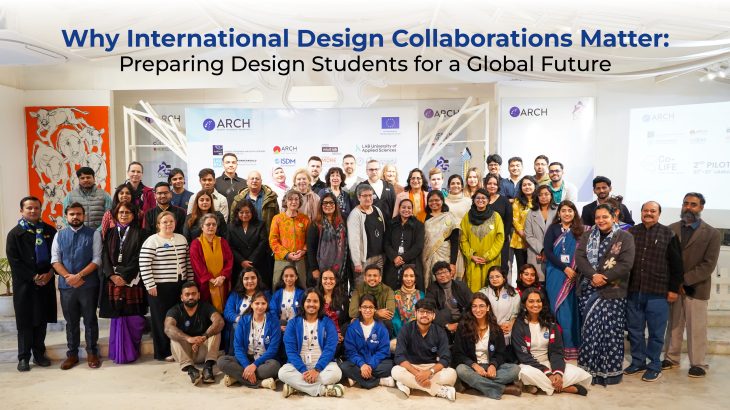
Design today no longer exists within geographical boundaries. The problems designers are asked to solve—climate change, social inequality, access to healthcare, sustainable living, and inclusive systems—are global in nature. As a result, design education must also evolve beyond classrooms and local contexts. International design projects and institutional collaborations play a crucial role in preparing students for this interconnected world.
These collaborations do more than add an international label to a programme. They reshape how students think, work, and respond to real-world challenges, helping them grow into designers who are culturally aware, socially responsible, and professionally future-ready.
Design Beyond Borders
International design projects bring together students, educators, institutions, and industry partners from different countries to work on shared challenges. Unlike conventional academic exercises, these projects are rooted in real contexts and real people. Students are exposed to unfamiliar environments, diverse viewpoints, and alternative ways of thinking—an experience that cannot be replicated through textbooks alone.
For design students, this exposure is transformative. It challenges assumptions, broadens perspectives, and encourages empathy—an essential skill in any design discipline. This approach comes alive through initiatives like the Erasmus+ supported CoLife project, where design students collaborate across countries to work on real-world, impact-focused challenges.
Real-World, Impact-Driven Experience
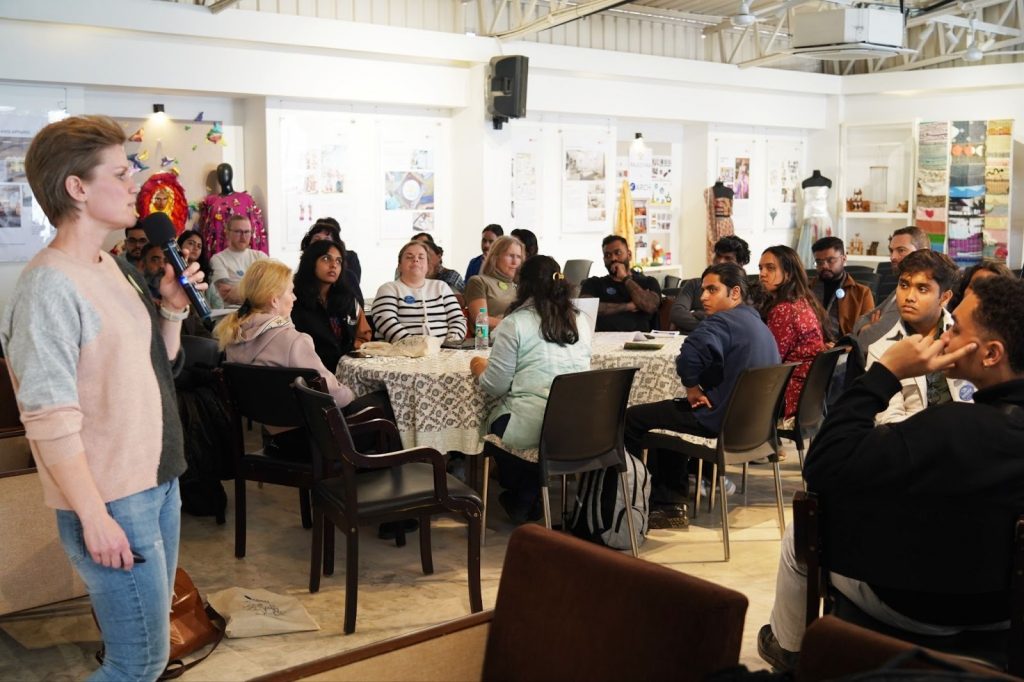
International design collaborations often focus on real-life cases rather than hypothetical briefs. Students engage with live organisations, communities, and systems, allowing them to see the direct impact of their work.
This approach shifts design education from being outcome-focused to impact-focused. Students learn that success is not just about aesthetics or innovation, but also about social relevance, sustainability, and long-term value. It prepares them for professional environments where design decisions carry responsibility.
Collaboration Across Disciplines and Cultures
Design does not function in isolation. Today’s challenges demand collaboration across disciplines such as business, entrepreneurship, technology, and social sciences. International projects naturally promote this interdisciplinary approach.
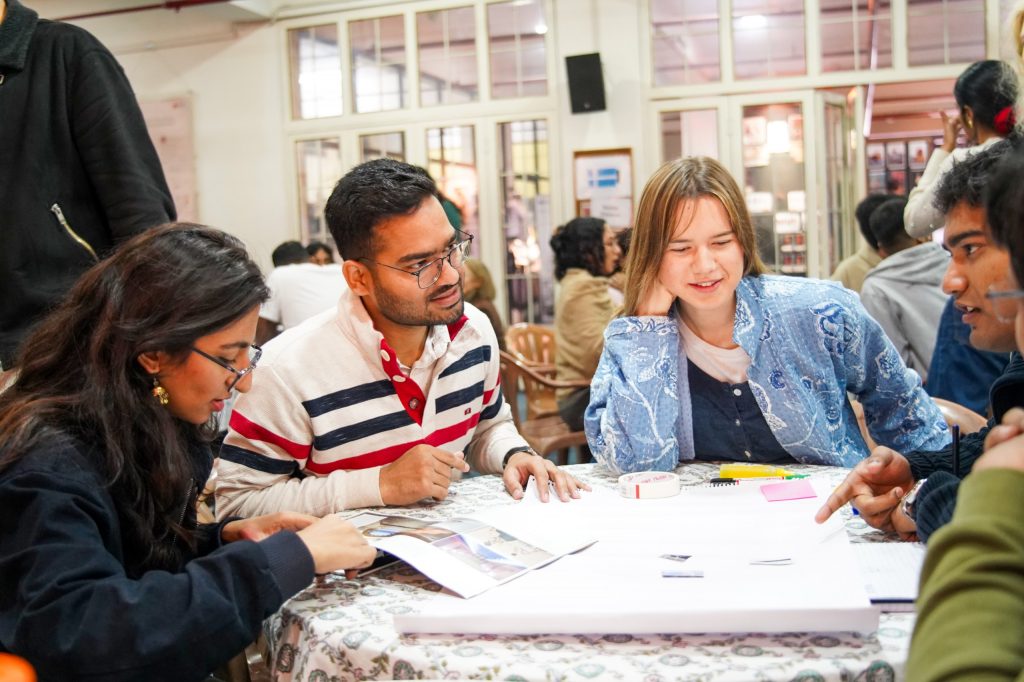
Working in multicultural, multidisciplinary teams helps students develop communication skills, adaptability, and emotional intelligence. They learn how to listen, negotiate ideas, manage differences, and co-create solutions—skills that are invaluable in global workplaces.
Strengthening Design Thinking in Complex Contexts
International collaborations offer a fertile ground for applying design thinking and service design methodologies. Students learn to navigate complexity, ambiguity, and multiple stakeholder perspectives. They are encouraged to research deeply, prototype iteratively, and reflect continuously.
This process not only sharpens their design skills but also teaches them how to balance creativity with feasibility, innovation with ethics, and ambition with responsibility.
CoLife: A Model of Global Design Collaboration
An example of such meaningful collaboration is the CoLife (Impact-Focused Entrepreneurship) project, of which ARCH College of Design & Business is an active academic partner and is a hosting institution for the Pilot 2 in India.
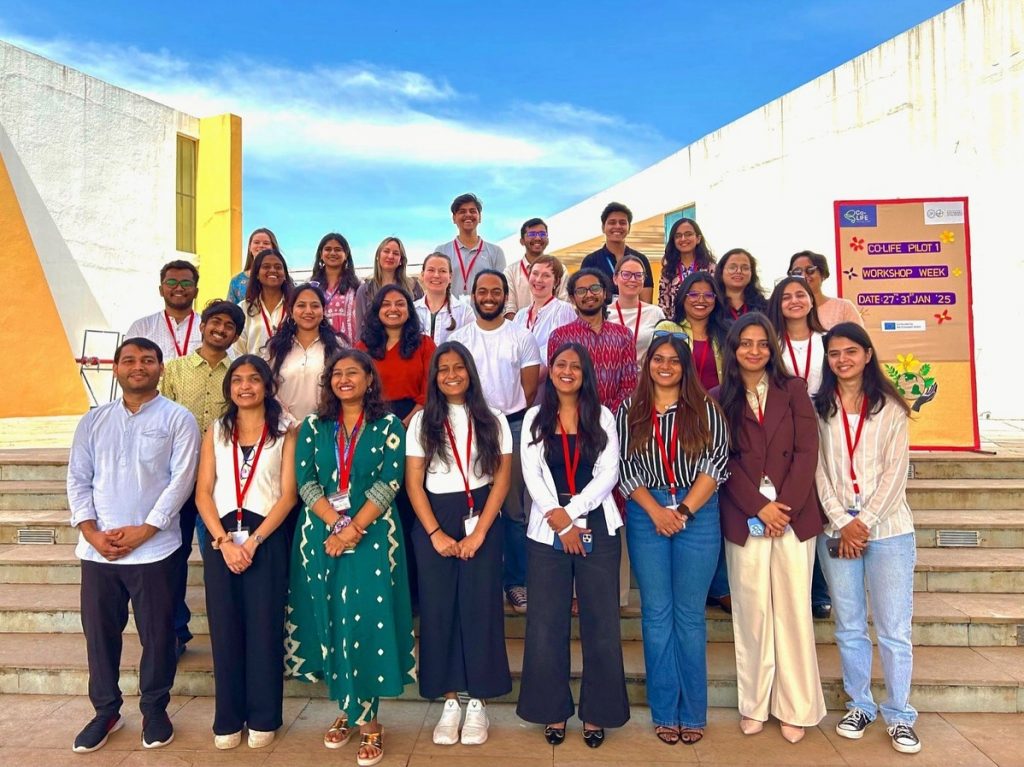
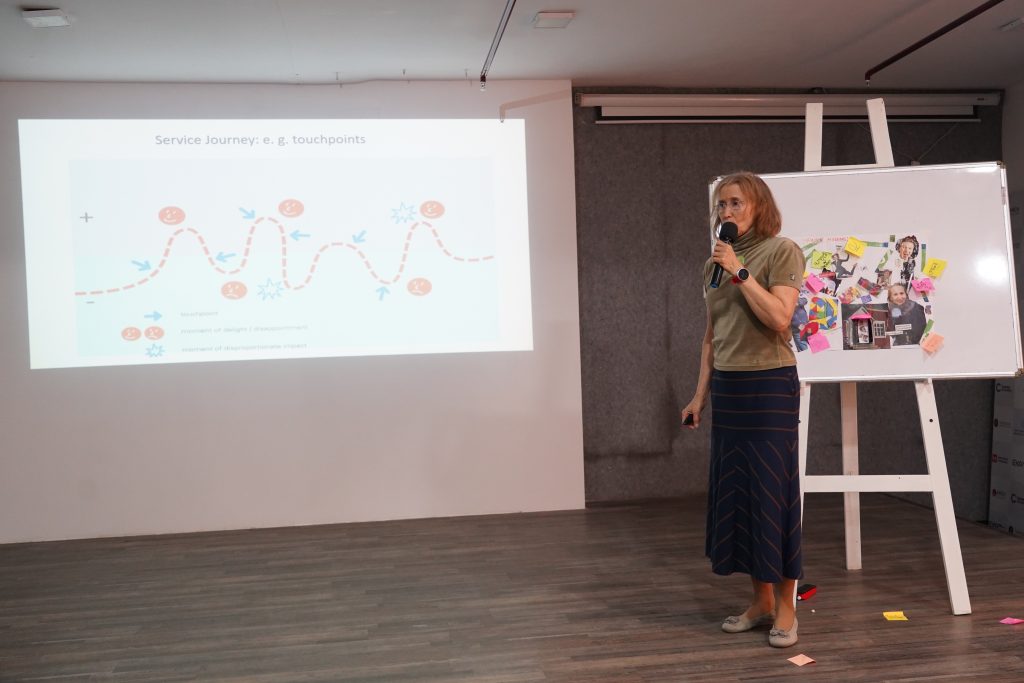
The CoLife programme brings together coaches, professors and students from India, Finland, Belgium, and Denmark to work on impact-driven, real-life cases aligned with global challenges and the United Nations’ Sustainable Development Goals. The upcoming CoLife Workshop at ARCH started from 27th to 31st January 2026, offering an immersive learning experience focused on context, culture, and collaboration.
As part of this programme, students engage in intercultural learning, design thinking workshops, field visits, group projects, and reflective practices. The aim is not only to develop viable solutions, but also to help students understand the social, cultural, and economic realities that shape design decisions.
ARCH’s involvement in CoLife builds on prior experience. ARCH students have previously participated in pilot editions of similar collaborative initiatives hosted in Noida, Mumbai, and Goa, gaining early exposure to international teamwork and impact-oriented learning. These experiences have reinforced the value of global academic partnerships in shaping confident, context-aware designers.
Institutions as Enablers of Global Learning
Institutional collaborations are the backbone of such programmes. When universities and colleges come together across borders, they create shared learning ecosystems that benefit students, faculty, and industry alike.
Through collaborative pedagogy, shared expertise, and experiential learning frameworks, institutions are able to offer students a richer, more relevant education—one that reflects the realities of contemporary design practice.
Preparing Designers for a Global Future
International design projects equip students with more than technical skills. They nurture global citizenship, ethical awareness, and a deep sense of responsibility. Students learn to see themselves not just as designers, but as problem-solvers, collaborators, and change-makers.
In a world that demands thoughtful solutions and conscious creativity, such experiences are no longer optional—they are essential.
Learning That Transcends Classrooms
International collaborations like CoLife demonstrate how design education can move beyond classrooms and into the world. By engaging with real challenges, diverse cultures, and global networks, students gain learning experiences that stay with them long after the project ends.
As design continues to shape the future, it is these globally grounded, impact-driven learning journeys that will define the designers of tomorrow.