Valentine’s Day has always been about expressing love. But today, how we express it matters more than ever. The shift in gifting culture reflects a larger shift in design thinking; people are moving away from generic, mass-produced products toward personalised designs that feel intentional and meaningful.
From custom outfits and jewellery to handcrafted showpieces and thoughtfully designed cards, personalisation transforms emotion into experience. It begins with understanding the person you are designing for and translating memory, identity, and connection.
In this blog, we explore how design students can turn Valentine’s gifting into a meaningful creative exercise by applying empathy, intention, and design thinking across disciplines.
Why Personalised Gifts Matter?
A personalised gift carries meaning because it reflects time, effort, and awareness. In a world driven by convenience and mass production, thoughtfulness stands out.
Research across consumer behaviour consistently shows that buyers increasingly value uniqueness and emotional relevance over standardised products. Personalisation signals effort. When a designer chooses a colour based on a shared memory, incorporates a symbolic motif, or crafts a message meant for one specific person, the design moves beyond function. It becomes a keepsake.
For students, this reinforces a critical lesson: design is not just about visual appeal. It is about connection. Personalisation demonstrates how design can convert emotion into something tangible and lasting.
Fashion Design: Personalised Outfits as Expression
Fashion is one of the most intimate forms of personalised design because it is worn and experienced physically. Personalisation may begin with fit, ensuring comfort, proportion, and movement are considered. But it extends far beyond tailoring.
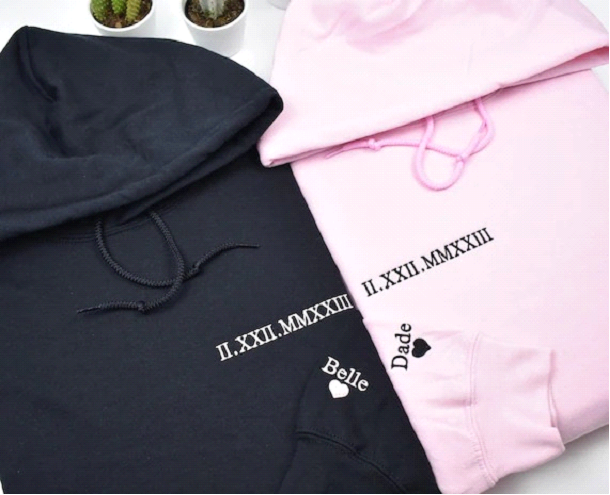
Meaning can be woven into colour choices, prints inspired by shared experiences, embroidered initials, or subtle handcrafted detailing. A Valentine’s outfit designed in a colour that holds emotional significance, paired with a hidden embroidery detail inside the cuff, transforms clothing into storytelling. For students of fashion design, this demonstrates how craft and emotion intersect. A garment is not just worn; it communicates identity. The design decision shifts from “What looks good?” to “What represents this person?”.
Jewellery Design: Where Emotion Takes Shape
Personalised jewellery is not just a creative choice; it is a growing global market. This industry was valued at approximately USD 42.5 billion in 2024 and is projected to grow steadily in the coming years, reflecting rising demand for meaningful, customised pieces. But beyond market growth lies emotional significance.
Engraved initials, birthstones, symbolic charms, or coordinates of a meaningful place turn a simple accessory into a memory. A ring with an inner engraving known only to the wearer becomes layered with meaning. A pendant inspired by a shared symbol becomes part of someone’s everyday life.
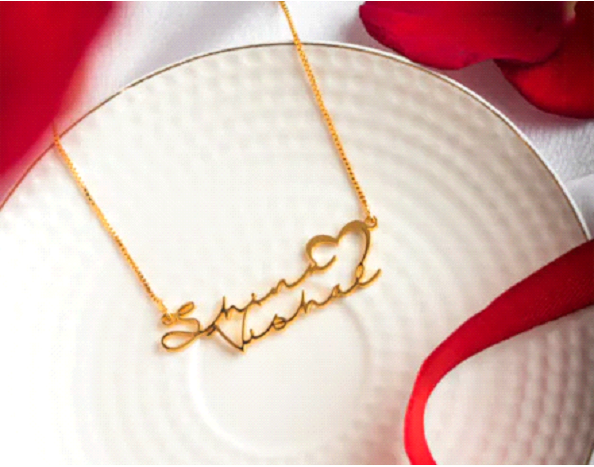
Jewellery design teaches students precision, symbolism, and emotional sensitivity. Every millimetre matters. The balance between craftsmanship and meaning defines its success. Small forms can carry powerful stories. That is the strength of personalised design.
Product & Interior Design: Showpieces That Hold Stories
Product and interior design allow emotion to live in spaces. Unlike jewellery or fashion, these pieces exist within daily environments on desks, shelves, and within rooms.
A personalised showpiece might be a sculptural form inspired by a shared memory, a ceramic object designed in a meaningful colour palette, or a wooden piece symbolising warmth and grounding.
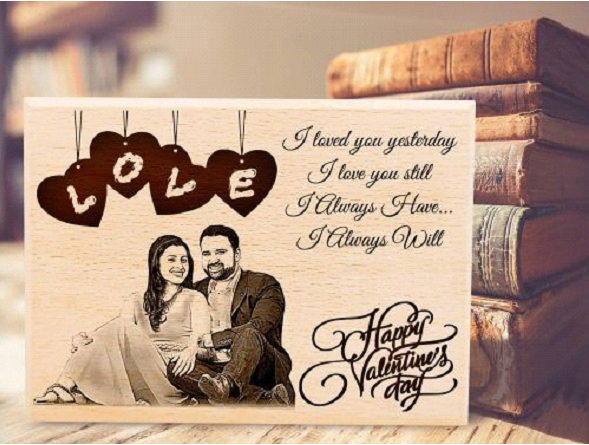
Scale and placement also matter. A bedside object creates intimacy, while a living room centrepiece becomes a shared visual anchor. Students learn that objects are not isolated. They live in context. Designing for space means designing for experience.
Communication & Graphic Design: Designing Emotion at Scale
If objects carry meaning physically, communication design carries meaning visually and verbally. During Valentine’s season, brands rely heavily on graphic design to express emotion. Designers develop limited-edition packaging, themed brand identities, seasonal typography systems, campaign visuals, and personalised print materials.
Many brands introduce customisation features, adding names to packaging, enabling personalised messages, or offering digital templates that customers can edit. This requires scalable layout systems and flexible typography that can adapt without losing visual harmony. Even subtle changes, a softer colour palette, a seasonal logo adaptation, or campaign-specific type treatments, shift brand tone from commercial to emotional.
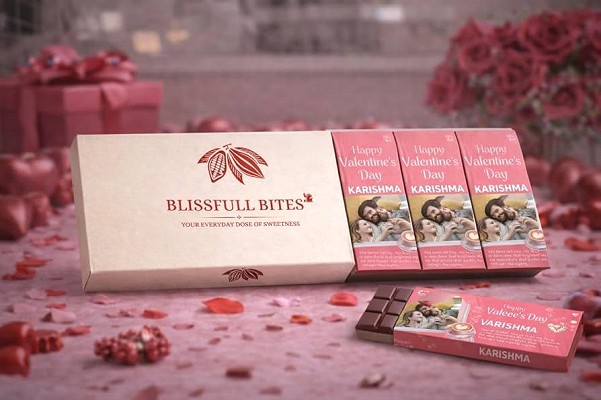
This demonstrates how communication design balances strategy with sentiment. A card may be small, but it often becomes the most treasured part of the gift because it holds the story behind it.
Valentine’s Day may celebrate love through gestures, but modern design shows that love can be shaped, crafted, and experienced. Personalisation transforms products into stories, accessories into memories, and campaigns into connections. At ARCH College of Design & Business, students are trained to see design as a responsibility and a form of meaningful expression. Across fashion, jewellery, product, interior, and communication design, ARCH encourages students to think beyond trends and focus on empathy, intention, and real-world impact. By learning how to personalise experiences, craft stories through materials, and design with people at the centre, students develop the ability to create work that truly connects.
If you’re ready to design with purpose and turn creativity into meaningful impact, join ARCH today and start shaping stories through design.
Designing Love: The Importance of Personalisation in Modern Design
Introduction
⦁ Valentine’s Day as an expression of emotion, not just gifting
⦁ Shift from generic gifts to personalised, meaningful design
⦁ How design turns emotion into tangible experiences
Why Personalisation Makes Gifts Meaningful
⦁ Emotional value over mass-produced products
⦁ Design as a tool for connection and storytelling
⦁ Understanding the recipient as the starting point
Fashion Design: Personalised Outfits as Self-Expression
⦁ Custom silhouettes, fabrics, colours, and detailing
⦁ Embroidery, surface design, and handcrafted elements
⦁ Fashion as an intimate, wearable form of design
Jewellery Design: Small Forms, Strong Emotions
⦁ Symbolism through materials, forms, initials, and stones
⦁ Craftsmanship and precision in personalisation
⦁ Jewellery as memory, not just ornament
Product & Interior Design: Showpieces That Hold Stories
⦁ Personalised decor and functional objects
⦁ Form, material, scale, and emotional resonance
⦁ Designing everyday objects with lasting meaning
Communication & Graphic Design: Cards That Speak Personally
⦁ Handwritten notes, custom typography, illustrations
⦁ Layout, tone, and language as emotional tools
⦁ Why physical cards still matter in a digital age
Conclusion: What This Teaches Design Students
⦁ Real-world application of design principles
⦁ Designing with intent, not trends
⦁ Understanding impact beyond aesthetics