In today’s interconnected world, design no longer exists within the boundaries of a single culture or geography. Designers create for diverse users, communities, and systems. Whether working on products, services, or experiences, they must respond to global realities. Inter-cultural practice is therefore not an added advantage in design education—it is essential.
This belief was reflected at ARCH College of Design & Business during Pilot 2 of the CoLIFE Project (Co-designing Learning for Impact-focused Entrepreneurship) in Jaipur. Over five days, coaches, lecturers, and students from Denmark, Finland, Belgium, and India came together to exchange ideas and collaborate. The workshop demonstrated how inter-cultural engagement strengthens design thinking and prepares students for real-world challenges.

Design in a Connected World
Today’s design challenges—sustainability, social impact, innovation, and entrepreneurship—are global. They require designers who can listen across cultures and collaborate with people who think and work differently. No single culture offers a complete solution.
Inter-cultural practice encourages designers to move beyond familiar assumptions. It helps them reflect on biases and recognize that there are multiple valid approaches to solving problems. Each perspective is shaped by lived experience and context. Acknowledging this diversity makes design more inclusive and responsive.
Understanding Culture in Design
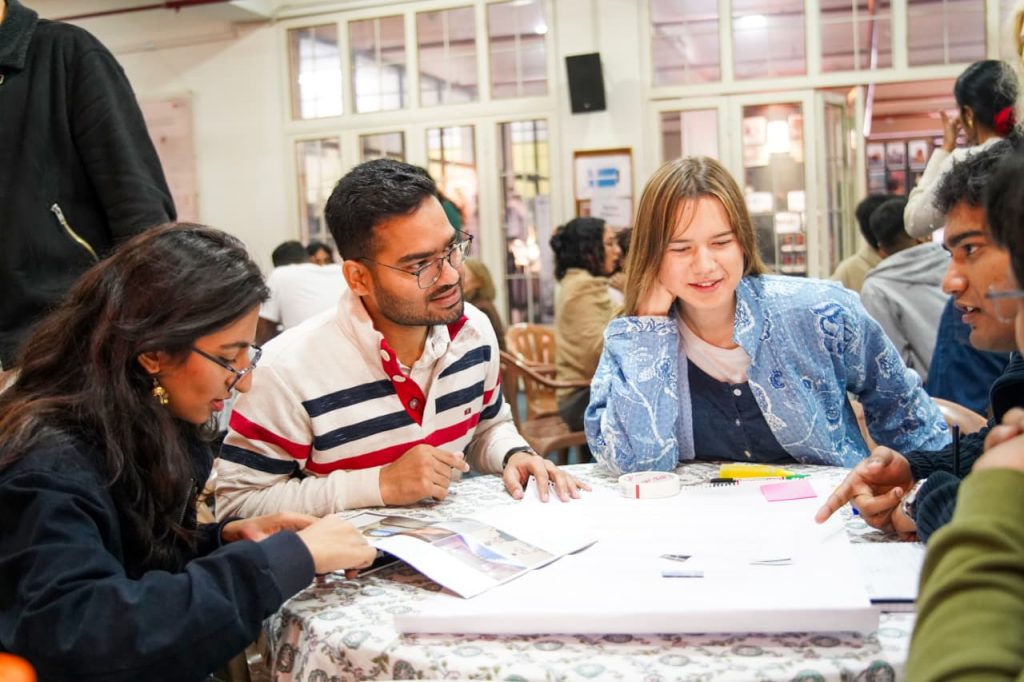
Inter-cultural practice goes beyond simply working with people from different countries. Culture influences communication styles, decision-making, hierarchy, collaboration, and even definitions of success. For designers, this understanding is critical because every design decision responds to human behavior.
Without cultural sensitivity, design risks missing its audience. At CoLIFE Pilot 2, participants explored culture as a dynamic force shaping individuals and systems. This awareness built the foundation for respectful and meaningful teamwork.
Design Thinking as Common Ground
One of the strongest aspects of the workshop was the use of design thinking as a shared framework. While participants came from varied academic and cultural backgrounds, design thinking provided a common language.
Rooted in empathy, experimentation, and collaboration, design thinking naturally complements inter-cultural work. It encourages deep listening, iterative development, and openness to feedback. In diverse teams, this mindset ensures that ideas evolve through dialogue rather than assumption.
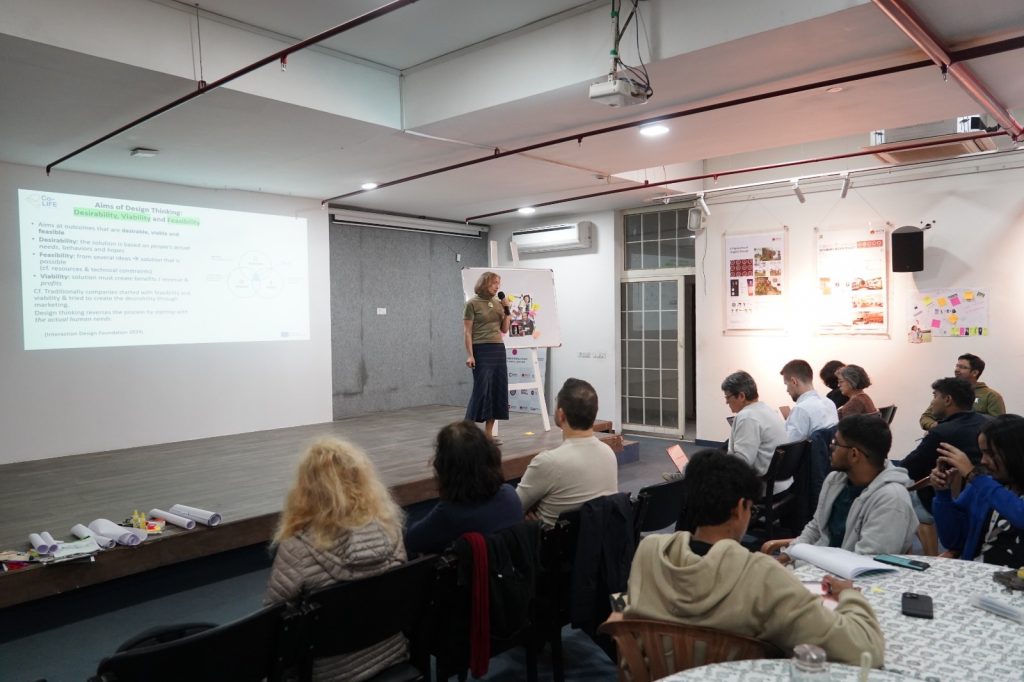
The workshop highlighted that design thinking is not just a methodology—it is an adaptable mindset that supports creativity and collaboration across differences.
Learning Through Experience
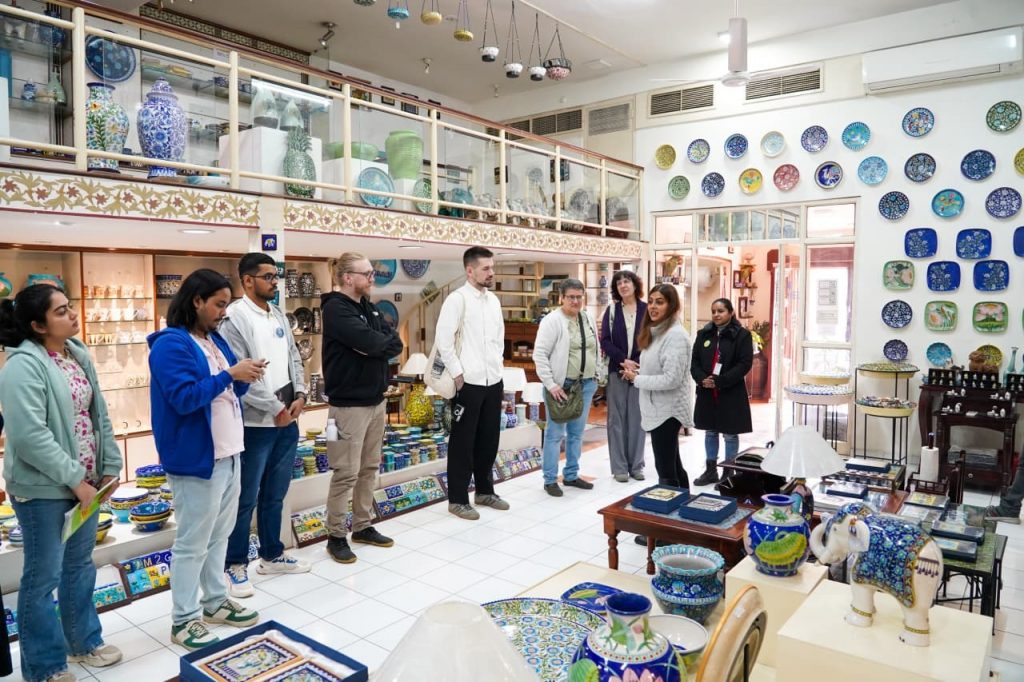
Inter-cultural workshops push learning beyond traditional classroom structures. Instead of one-directional teaching, participants engaged through discussion, reflection, and collaborative exercises. Exposure to different teaching styles and professional approaches expanded everyone’s understanding of design education.
Such experiential learning mirrors the realities of global design practice, where teamwork and adaptability are essential. Students learn to navigate complexity, manage ambiguity, and communicate effectively—skills that are vital for their future careers.
Building Empathy and Global Readiness
Empathy lies at the heart of design. Inter-cultural engagement deepens empathy by encouraging designers to see situations from multiple viewpoints. Working with diverse peers challenges stereotypes and strengthens understanding.
For emerging designers, inter-cultural competence is no longer optional. Global studios, international collaborations, and cross-border entrepreneurship demand openness and flexibility. Early exposure to diverse perspectives builds confidence, resilience, and responsible thinking.
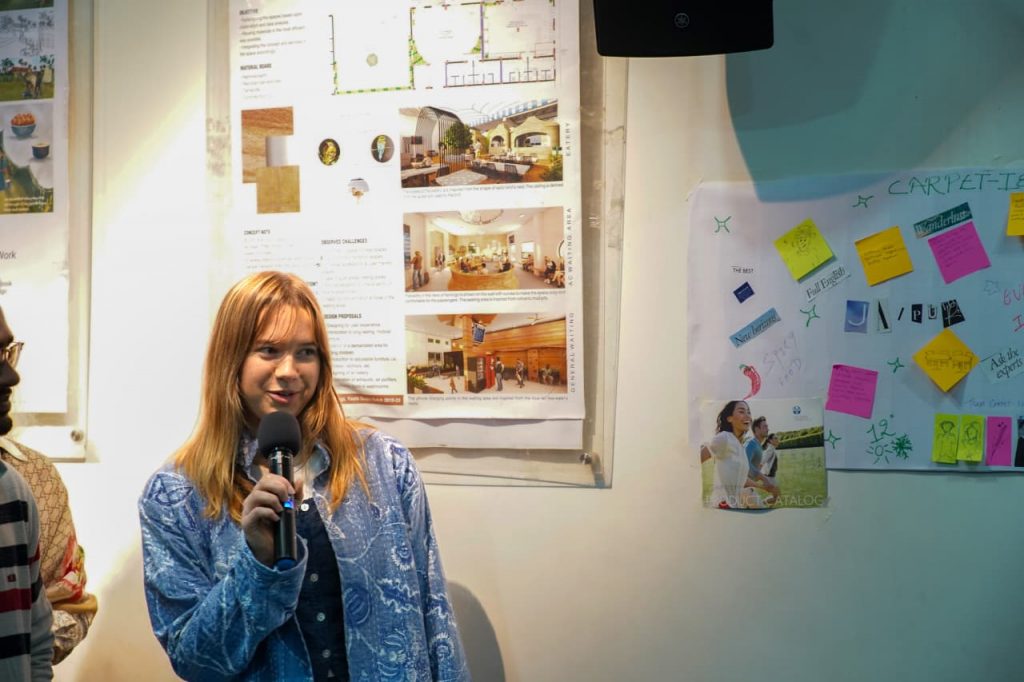
ARCH’s Commitment to Global Design Education
By hosting CoLIFE Pilot 2, ARCH College of Design & Business reinforced its commitment to globally relevant and impact-driven education. The initiative reflected ARCH’s vision of nurturing designers who are not only skilled professionals but also thoughtful global citizens.
Inter-cultural practice, combined with design thinking, prepares students to design responsibly and collaboratively. It connects education with real-world engagement and ensures that creativity is grounded in understanding.
Design is ultimately a collaborative act. When cultures meet, ideas expand. Through initiatives like CoLIFE, ARCH continues to shape designers ready to work beyond borders and create meaningful impact in an interconnected world.