As the design industry moves into 2026, it does so with greater clarity and responsibility than ever before. The past few years have pushed design to evolve rapidly, responding to technological acceleration, shifting social expectations, and growing demands for accountability. What emerges in 2026 is not a dramatic reset but a thoughtful progression. Design is learning what to let go of, what to protect, and what to strengthen.
Industry research supports this shift. According to global design and business reports, over 70% of organizations now view design as a strategic function rather than a purely aesthetic one, reflecting a broader change in how design contributes to long-term value creation (McKinsey Design Index, industry benchmarks).
To understand where design is headed, it helps to look at 2026 through three lenses: what changes, what stays, and what deepens.
What Changes: A More Strategic, Systems-Driven Approach
One of the most visible changes in 2026 is how design approaches problem-solving. The focus moves away from isolated outputs toward system-level thinking, considering the full lifecycle of products, services, and experiences. Instead of designing just a product package, designers now think about sourcing, reuse, disposal, and how the packaging fits into a broader sustainability system. This shift reflects the understanding that nearly 80% of a product’s environmental impact is decided at the design stage.
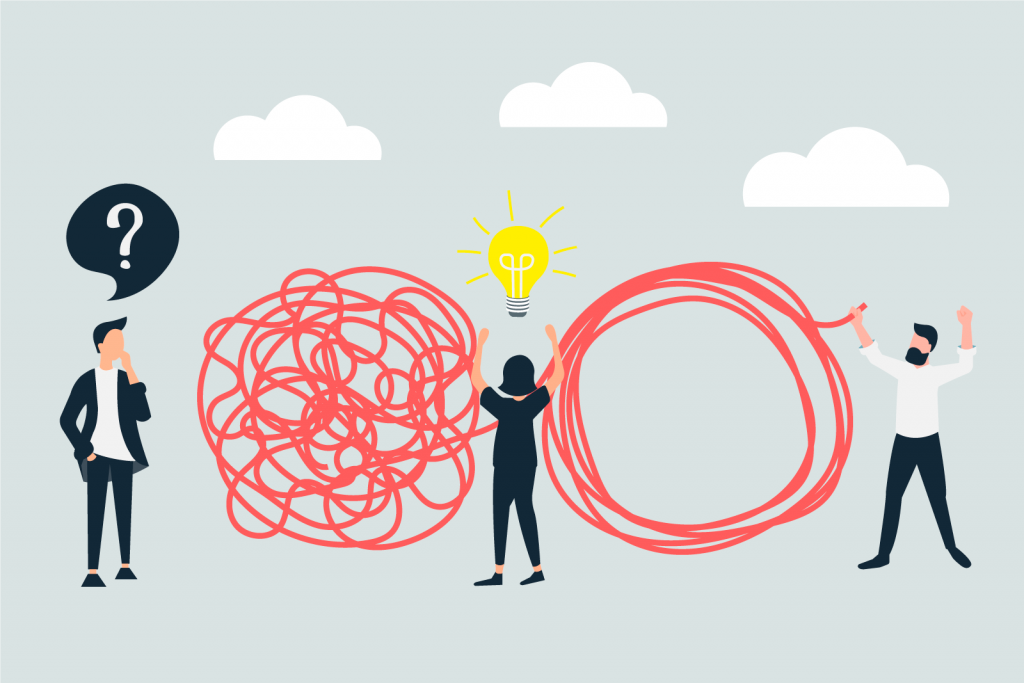
Design workflows also become more adaptive. Flexible design systems replace rigid solutions, allowing brands to evolve without losing coherence. A digital platform may use a modular design system that adapts across app updates, regional markets, and accessibility needs without needing a full redesign each year.
AI and automation increasingly support execution, speeding up prototyping, testing, and iteration. Studies show that AI-assisted design tools can reduce repetitive production time by nearly one-third, allowing designers to focus more on research, intent, and strategy. Another important change is collaboration. Designers work more closely with engineers, sustainability teams, and business leaders.
What Stays: The Core Principles of Good Design
Despite rapid change, the fundamentals of good design remain steady. Clarity, usability, and relevance continue to define quality work in 2026. Research consistently shows that intuitive user experiences significantly improve engagement and conversion, reinforcing why usability remains central regardless of tools or trends. Human-centered thinking stays at the heart of the discipline. Successful design still begins with understanding people, their behaviours, constraints, and contexts.
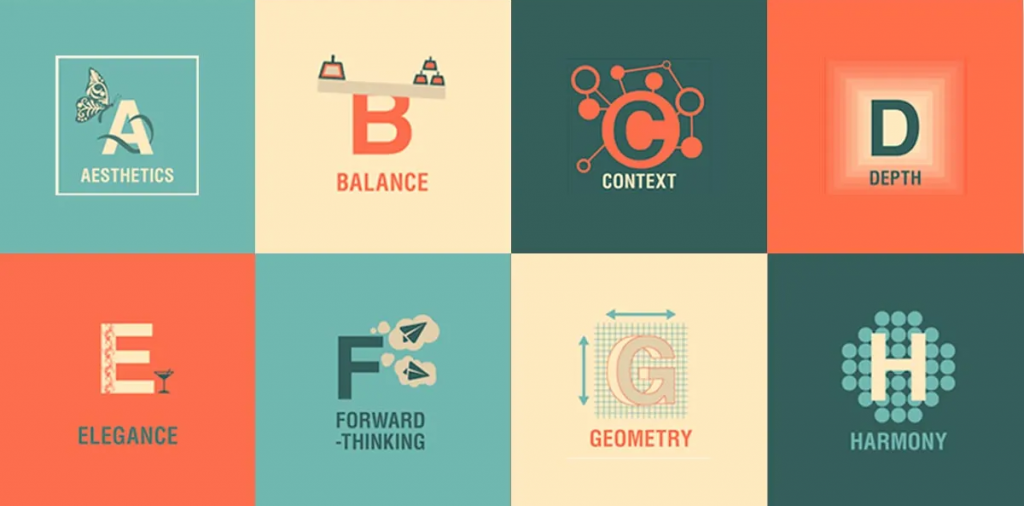
Whether designing a healthcare app or a physical public service, designers continue to test assumptions through user feedback rather than relying purely on aesthetics or trends. Storytelling also remains essential. Even in data-heavy or technical environments, narrative helps make complexity understandable and builds trust.
A sustainability report or impact dashboard becomes more effective when data is paired with clear visual storytelling and real-world context, rather than raw numbers alone. These principles act as anchors, ensuring that progress does not come at the cost of empathy or clarity.
What Deepens: Responsibility, Ethics, and Intent
What deepens most significantly in 2026 is the responsibility attached to design decisions. Design is widely recognised as shaping behaviour, access, and perception. Accessibility becomes foundational. With over 1 billion people globally living with some form of disability, inclusive design is no longer optional.
Designing digital platforms with readable typography, clear navigation, and assistive compatibility benefits not just users with disabilities, but everyone, especially in low-bandwidth or multilingual contexts. Data ethics also take centre stage. Designers influence how information is collected, displayed, and explained. Trust becomes critical, as a majority of users say transparency affects their willingness to engage with digital products.
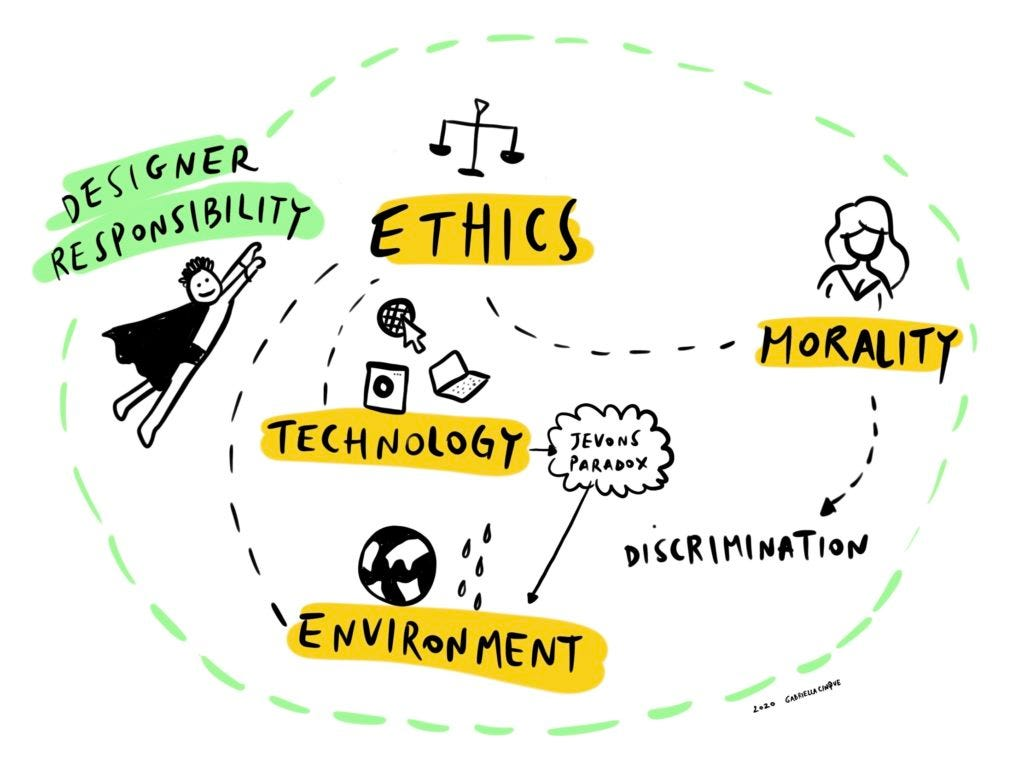
Clear consent flows and honest data explanations replace dark patterns or hidden permissions, making ethical design a marker of credibility. Sustainability deepens into a systems mindset. Designers think beyond visual cues of “eco-friendliness” to long-term impact. Instead of frequent interface refreshes that encourage constant upgrades, products are designed to age well visually and functionally, reducing digital and physical waste. Most importantly, intent becomes sharper. Design quality is increasingly judged not only by how it looks, but by what it enables and influences.
The Designer’s Role in 2026
As these shifts take shape, the role of the designer continues to evolve. Designers in 2026 are expected to balance creativity with accountability, speed with thoughtfulness, and innovation with care. Industry hiring trends reflect this change, with design roles increasingly demanding skills in research, systems thinking, and strategic communication alongside visual expertise.
Leadership in design is no longer limited to senior roles. Designers at all levels are encouraged to question assumptions, advocate for users, and contribute to strategic conversations. Design earns its seat at the table by demonstrating value beyond visuals through measurable impact, informed decision-making, and ethical awareness.
Design in 2026 is grounded, deliberate, and confident vand this is exactly the future ARCH College of Design & Business prepares its students for. At ARCH, design education goes beyond trends and tools. It builds clarity of thought, empathy in practice, and the ability to create with purpose and restraint.
Students are trained to adapt to what changes while staying rooted in what never changes. Just as importantly, ARCH nurtures a deep sense of responsibility, helping students understand that every design decision carries social, cultural, and environmental impact. As the design industry moves forward, ARCH equips its students to create work that lasts beyond trends, earns trust over time, and stands for something meaningful. Shape the designer you want to become. Start your journey at ARCH.