
The video game industry has grown into one of the largest entertainment markets in the world, with global revenues approaching nearly $188 billion annually, making it larger than many long-established creative industries. Within this enormous market, a new force has emerged that is reshaping how games are made, played, and appreciated: the indie game revolution. Rather than being dominated solely by big studios with huge budgets and large teams, independent developers, often small teams or even solo creators, are creating standout experiences that capture players’ attention around the world.
For design students aspiring to enter this field, understanding why indie games are succeeding and realising that they can experiment, create, and build their own indie projects opens up exciting possibilities for future success.
What Are Indie Games and Why Do They Matter?
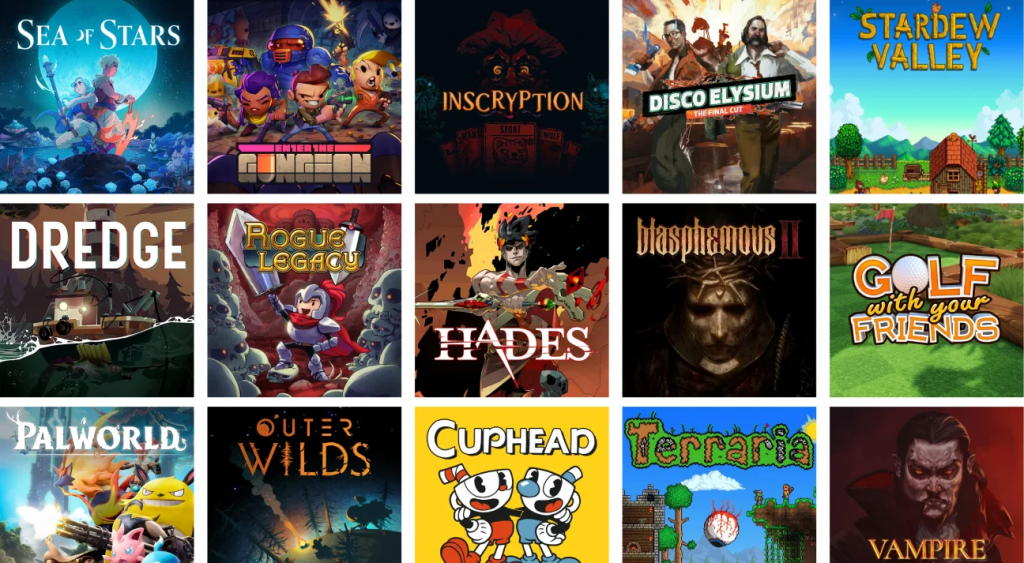
Indie games are titles developed with a high degree of creative autonomy, typically without the financial backing of major publishers. Unlike traditional blockbusters, indie games are made by small teams ranging from one to a few dozen people. These teams often retain full control over their ideas, artistic direction, and production schedule. This independence allows indie games to explore concepts, narratives, and mechanics that larger studios might consider too risky. According to recent data, indie games made up nearly 31% of all revenue on Steam in 2023, up from 25% just five years earlier, demonstrating their growing commercial relevance even alongside big-budget titles.
Creative Freedom: The Heart of Indie Success
One of the biggest advantages indie developers enjoy is creative freedom. Unshackled from strict commercial formulas, indie teams can experiment with unusual art styles, novel interactions, and emotionally resonant storytelling. For example, many indie titles forego hyper-realistic graphics in favour of distinctive visual identities or unique gameplay systems that emphasise mood, challenge, or player choice instead of spectacle. This focus on originality has allowed indie games to stand out in a crowded market and build passionate communities around their designs, proving that innovation often matters more than scale.
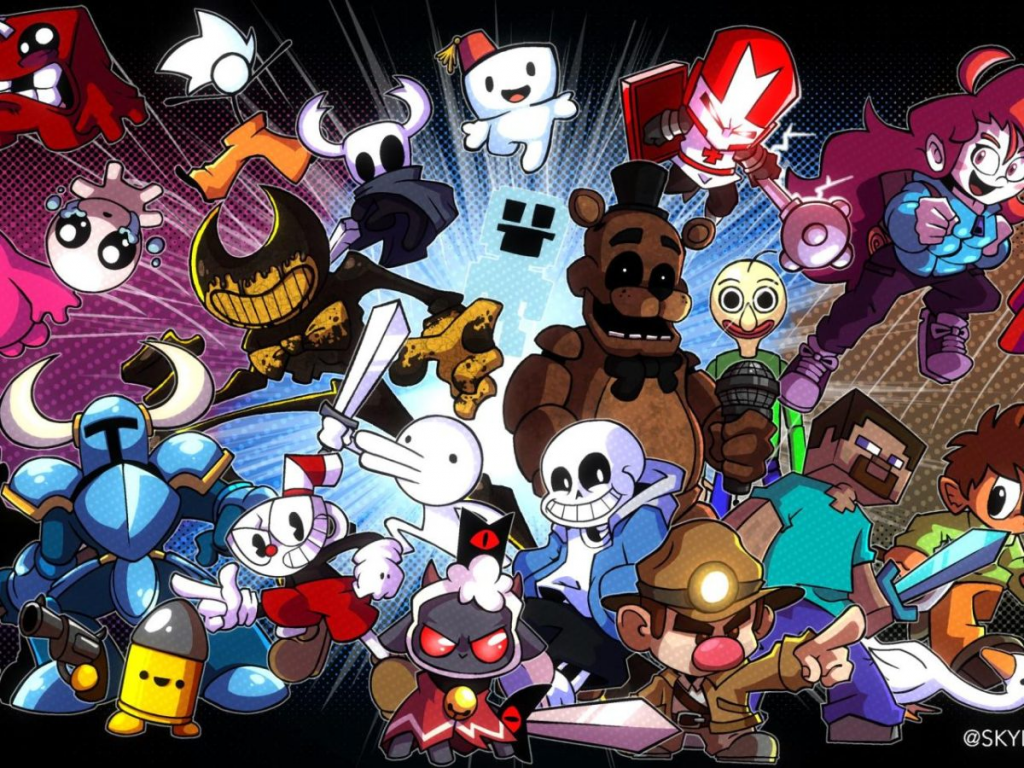
As a design student, this freedom to explore distinct creative directions is both inspiring and empowering; it encourages you to think beyond traditional genre constraints and push the boundaries of interactive storytelling.
Small Teams, Fast Decisions, Big Impact
Small teams have another advantage: speed. With fewer layers of approval and streamlined communication, indie developers can iterate quickly, test ideas often, and adapt in response to player feedback without the overhead of complex corporate processes. This agile approach enables rapid prototyping and ongoing refinement, which is a hallmark of successful indie development.

For aspiring game designers, learning to work in small teams that can design, implement, and test features quickly is a valuable skill that mirrors real studio workflows. The ease of small teams allows them to explore creative ideas in ways that larger, more bureaucratic organisations often cannot.
Accessible Technology That Levels the Playing Field
Modern game engines and development tools have played a crucial role in empowering indie creators. Engines like Unity and Unreal, along with open-source tools like Godot, have dramatically lowered the barriers to entry. Many of these tools are free or highly affordable, enabling students and independent developers to build professional-quality games without extensive financial investment.
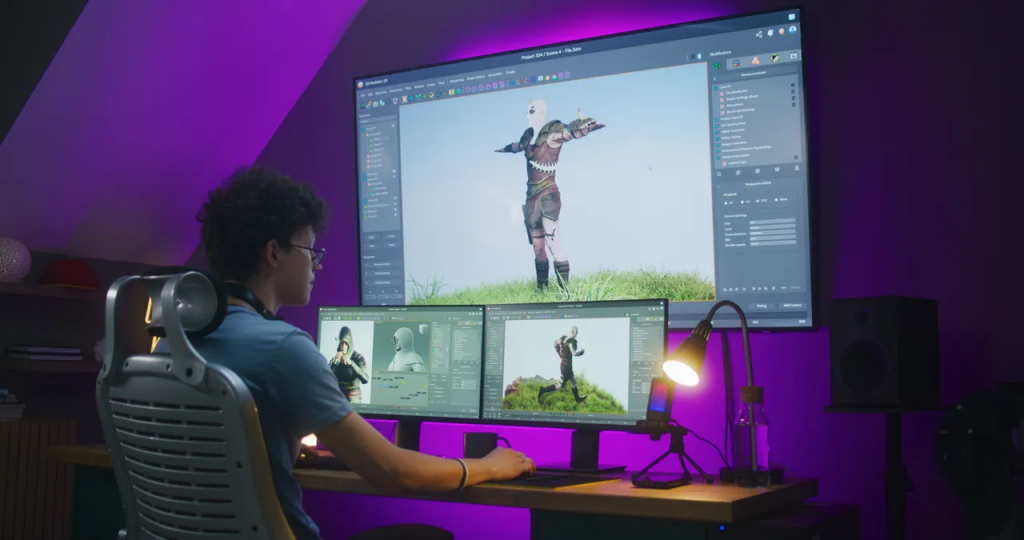
Moreover, digital distribution platforms such as Steam, itch.io, and app stores mean that games can reach global audiences without costly physical publishing or traditional marketing campaigns. With tens of thousands of new releases each year, Steam alone saw around 18,000 games released in 2024. the opportunity to distribute indie games worldwide has never been greater.
Storytelling and Emotional Connection
Another strength of indie games is their ability to deliver powerful narratives and emotional engagement. While titles often prioritise polished visuals and expansive worlds, many indie games are recognised for their intimate storytelling and artistic expression. These games often use atmosphere, visual language, sound design, and pacing to evoke feelings that stay with players long after they’ve finished playing.
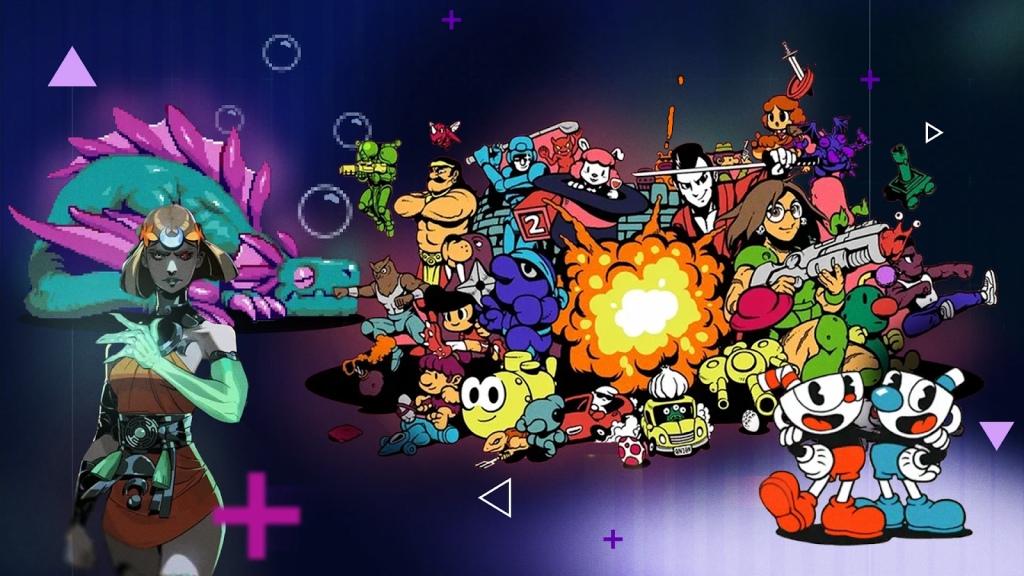
From poignant journeys to philosophical puzzles, the indie space allows designers to explore personal themes or complex issues in ways that resonate deeply with niche audiences. For design students, this demonstrates that mastery of mood, visual storytelling, and player experience can be just as important as technical prowess.
Learning by Doing: The Indie Mindset
Indie development thrives on experimentation and iteration and that aligns perfectly with how students learn. Participating in game jams, student collaborations, and short development projects helps emerging designers build real experience in a low-risk setting. These events mimic real-world deadlines and creative challenges, teaching students how to scope projects, balance ambition with practicality, and collaborate effectively. Skills learned through indie-style development, such as prototyping, iteration, and iterative design, prepare students for a range of careers within the gaming industry.
Career Opportunities Through Indie Work
Indie projects also serve as powerful portfolio pieces. Many studios hire designers, artists, and developers based on what they can demonstrate rather than solely on formal qualifications. A polished indie game, even a small one, can showcase a student’s design thinking, problem-solving ability, and creative voice in a way that traditional coursework often cannot. Furthermore, the rise of freelancing and remote collaboration creates additional career paths, allowing designers to contribute to global projects from anywhere in the world.
Indie success is part of a broader industry boom. In India, for instance, the gaming market is growing rapidly, with projected revenues expected to nearly triple from around USD 5.9 billion in 2025 to over USD 16 billion by 2034. IMARC Group’s study also notes India is home to hundreds of millions of gamers, with mobile gaming as the dominant segment. This growth creates a fertile ecosystem for local indie developers to build global audiences and contribute to international trends.
The indie game revolution proves that bold ideas, creative risks, and thoughtful design can lead to both artistic recognition and commercial success. For design students, this sends a powerful message that you don’t need massive resources to make an impact. At ARCH, this very mindset shapes the way game design is taught. With the upcoming Digital Game Design course, students will be encouraged to master strong design fundamentals, work with industry-relevant tools, and experiment through hands-on projects that mirror real indie workflows. By nurturing creativity, technical awareness, and collaborative thinking, ARCH aims to prepare students to confidently explore indie game development and build experiences that resonate with players worldwide. As the gaming industry continues to grow and diversify, the skills and mindset cultivated through this approach will become key assets for the next generation of game designers. To know more, stay tuned!