Design in 2025 marked a clear turning point. In 2025, design wasn’t about chasing what looked new; it was about questioning what truly worked. Across industries, design matured into a more intentional, responsible, and systems-driven practice. From how products were built to how brands communicated, the year marked a clear shift away from surface-level aesthetics toward deeper thinking, context, and impact.
Here are the most significant design shifts that defined 2025, with real-world relevance and examples of how these changes played out.
1. From Visual Appeal to Meaningful Experience
One of the clearest shifts in 2025 was the move from “good-looking design” to design that works seamlessly. Visual polish alone was no longer enough. Users expected clarity, ease, and purpose.
For example, many digital products simplified their interfaces instead of adding features. Apps reduced visual clutter, focused on fewer actions, and prioritised intuitive navigation. Even in branding, logos and campaigns became quieter, relying on storytelling and user experience rather than loud visuals.
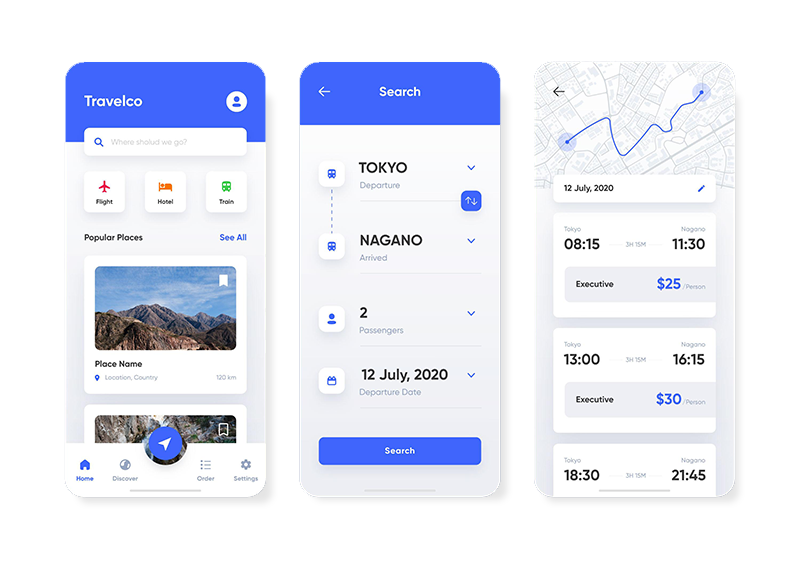
Design success in 2025 was measured by how smoothly something fit into people’s lives, not by how impressive it looked on launch day.
2. AI Became a Design Partner, Not a Replacement
By 2025, AI had moved from experimentation to integration in design workflows. Designers increasingly use AI for layout variations, colour exploration, content drafts, and rapid prototyping.
Industry surveys revealed that over 70% of designers now use AI tools to accelerate production tasks, but fewer than 10% rely on AI for core conceptual decisions. This reinforced an important truth: while AI improved speed and scale, human judgment remained central to strategy, ethics, cultural sensitivity, and emotional storytelling.
The strongest work emerged from hybrid workflows, where AI-supported execution and designers led intent and meaning.
3. Sustainability Shifted from Trend to Baseline Expectation
In 2025, sustainability was no longer a “nice-to-have” design angle. It became an expectation. Consumer studies showed that more than 65% of global consumers prefer brands that demonstrate genuine environmental responsibility, and a growing percentage actively rejected brands accused of greenwashing.
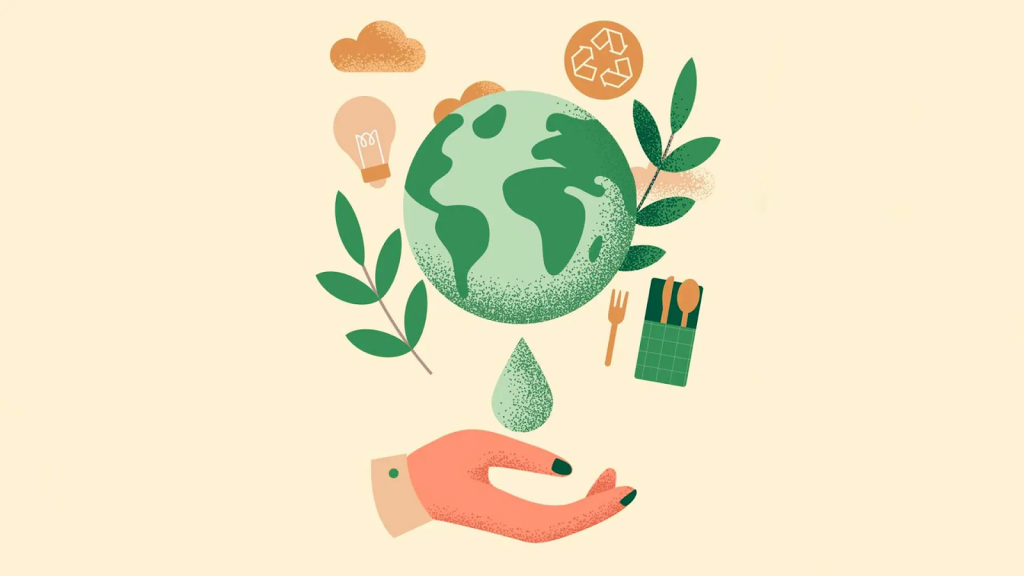
Product design is increasingly focused on durability, modularity, and reuse rather than disposability. Packaging became minimal, functional, and often reusable. In interiors and spatial design, natural materials, local sourcing, and long-term usability took precedence over short-lived trends. The shift wasn’t about making things look eco-friendly; it was about designing systems that genuinely reduced waste and respected resources.
4. Cultural Context Became Central to Design
Global design in 2025 moved away from one-size-fits-all aesthetics. There was a noticeable shift toward local narratives, cultural references, and regional identity.
Brands and designers embraced indigenous materials, craft traditions, and culturally rooted storytelling, not as decoration, but as meaning. This was visible in textiles, packaging, interiors, and digital branding, where authenticity mattered more than trend replication. Design that acknowledged context felt more human, more relevant, and more trustworthy.
5. Less Noise, More Clarity in Branding
In a world saturated with content, brands in 2025 learned that shouting louder didn’t work. The shift was toward clarity, restraint, and consistency.
Typography became simpler, colour palettes more controlled, and messaging more focused. Many brands refined their identity systems instead of rebranding entirely. The goal was recognition and trust, not constant reinvention. This shift showed that strong branding is built over time through coherence and honesty, not visual excess.
6. Craft and Technology Coexisted, Not Competed
Rather than technology replacing traditional practices, 2025 showed how craft and tech could strengthen each other. Designers blended hand-made processes with digital tools, creating outcomes that felt both precise and soulful. From handcrafted products supported by digital fabrication to artisanal brands using technology for storytelling and scale, this balance added depth and character to design work.
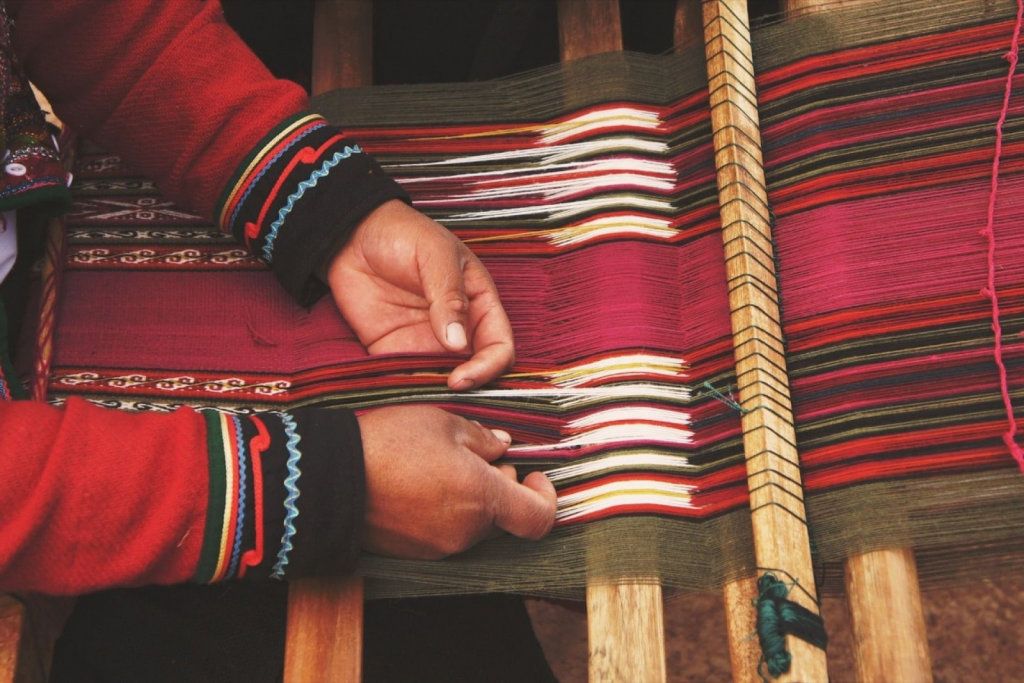
The year reinforced that progress doesn’t mean abandoning tradition; it means reinterpreting it thoughtfully.
7. Ethics and Responsibility Entered the Design Conversation
In 2025, design decisions carried greater responsibility than ever before. Conversations around accessibility, inclusivity, data privacy, and social impact moved from the margins to the mainstream. Designers began to be evaluated not only on usability or visual appeal, but on who their work served and who it might unintentionally exclude.
Whether through accessible digital interfaces, thoughtful cultural representation, or careful handling of user data, responsibility became an integral part of the design brief. Ethical thinking shifted from an ideal to an expectation, emerging as a clear marker of quality, credibility, and long-term trust. In many ways, responsible design came to define good design.
The biggest design shifts of 2025 centred on intent rather than style, tools, or fleeting trends. Design became more thoughtful, grounded, and accountable. It slowed down where needed, questioned assumptions, and prioritised real value.
As the design industry reflects on the lessons of 2025 and steps into 2026, the need for thoughtful, responsible, and future-ready designers has never been clearer. At ARCH College of Design & Business, learning goes beyond tools and trends; students are encouraged to think critically, design with intent, and understand the social, cultural, and ethical impact of their work. Through industry-led curriculum, hands-on projects, and a strong emphasis on design thinking, ARCH prepares designers to lead the next chapter of the industry with confidence and purpose.
As we welcome 2026, ARCH continues to shape designers who don’t just respond to change but help define it. If you’re ready to design with meaning, responsibility, and vision? Join us today!