Artificial Intelligence is rapidly transforming the world of design. From generating mood boards and creating visual concepts to forecasting trends and building prototypes, AI tools are becoming a part of everyday creative practice. For design students, this shift presents both exciting opportunities and important questions. If AI can generate ideas, create visuals, and automate tasks, what role will designers play in the future?
The answer lies in understanding a principle that has always been at the core of great design: designing for people. While technology continues to evolve, the ability to understand human needs, emotions, behaviours, and aspirations remains one of the most valuable skills a designer can possess. This is where human-centred design becomes increasingly relevant.
For design students, this distinction is important. The future of design will not be defined by who can use AI tools most effectively, but by who can best understand people and create meaningful solutions.
Fashion Design: Designing Culture, Identity, and Self-Expression
In fashion education, students are increasingly exposed to AI tools that can generate garment concepts, predict trends, and visualise collections. While these technologies can accelerate the creative process, they cannot replace the deeper understanding required to design for real people.
Many emerging designers are revisiting traditional crafts, indigenous textiles, and regional techniques to create contemporary fashion with deeper meaning. These projects require research, empathy, and cultural understanding, qualities that AI cannot replicate. AI may suggest popular silhouettes or colour combinations, but it cannot understand the cultural significance of a handwoven textile that has been practised for generations. When a designer spends time with artisans, learns their stories, and incorporates their craft into contemporary fashion, the resulting collection becomes more than clothing; it becomes a bridge between heritage and modernity.

For students, the lesson is clear: technology can support creativity, but understanding people and their stories remains the foundation of impactful fashion design.
Interior Design: Understanding How People Live
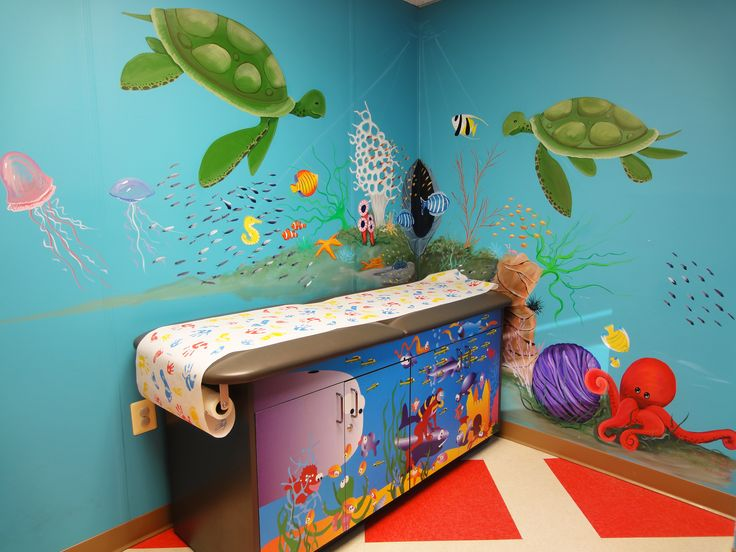
Interior design is another discipline where human-centred thinking plays a crucial role. People experience spaces emotionally. A home should provide comfort and security. A workplace should support productivity and collaboration. A healthcare environment should encourage healing and reduce stress. Understanding these needs requires observation and empathy. Designers must consider how people move through spaces, interact with others, and respond to different environments.
A notable example can be seen in pediatric hospitals designed around children’s emotional needs. Rather than focusing solely on efficiency, designers often introduce playful colours, interactive walls, natural light, and family-friendly spaces to reduce anxiety during treatment. AI can optimise room layouts, but it cannot fully understand the fear a child experiences in a hospital environment. Human-centred design transforms a clinical space into one that supports healing and emotional well-being.
Graphic Design: Communicating with Empathy and Purpose
Graphic design is undergoing a significant transformation due to AI-generated visuals and automated content creation. Students can now generate illustrations, layouts, and branding concepts in minutes using digital tools. Yet visual communication is fundamentally about connecting with people. Whether creating a campaign, publication, or brand identity, designers must understand the audience they are communicating with.
A poster about environmental awareness, for example, succeeds not because it looks visually appealing but because it motivates people to care about the issue. This requires empathy, storytelling, and cultural awareness. Similarly, public health safety campaigns should not necessarily be the most visually complex. They need clear language, relatable visuals, and culturally appropriate messaging to help people understand safety measures. Designers had to consider different age groups, literacy levels, and local contexts. While AI could generate layouts, it is human understanding that makes the communication effective and trustworthy.

As audiences become increasingly exposed to automated content, authenticity is becoming more valuable. For graphic design students, the challenge is not simply learning how to create visuals but learning how to create meaningful communication.
Product Design: Solving Problems Through Human Insight
Product design has always focused on solving problems, but the most successful products do more than function effectively. They create positive experiences.
A well-known example is the OXO Good Grips kitchen tools. The products were originally inspired by the difficulty a person with arthritis faced while using conventional kitchen utensils. Instead of focusing solely on functionality, designers developed comfortable, easy-to-hold handles that improved usability for people with limited hand strength. What began as a solution for a specific user group eventually became popular with everyone. The success came from empathy-driven observation rather than technological innovation alone.

AI can help designers analyse user data and identify behavioural patterns, but innovation often begins by observing people in their everyday lives. Designers uncover opportunities by noticing frustrations, habits, and unmet needs. The best solutions emerge when designers understand not only what people do but also why they do it.
Jewellery Design: Transforming Emotion into Design
Jewellery design demonstrates perhaps most clearly why human-centred thinking remains essential. Jewellery is rarely purchased solely for its appearance. It often represents memories, milestones, relationships, and cultural traditions.
Many jewellery designers work closely with families to transform heirloom gold or gemstones into new forms while preserving emotional value. The process involves listening to personal stories, understanding family traditions, and respecting sentimental attachments. While AI can generate hundreds of ring designs, it cannot understand why a grandmother’s pendant holds emotional significance across generations.

Design students working in jewellery must recognise that they are creating symbols of meaning and connection, and not simply the objects. Understanding these emotional dimensions allows designers to create work that remains relevant and cherished over time.
The future designer is not someone who competes with AI but someone who uses it thoughtfully while remaining deeply connected to the people they design for. In a world increasingly shaped by technology, the most valuable skill may simply be the ability to understand what it means to be human. At ARCH, students learn to combine emerging technologies with human-centred thinking, preparing them to create meaningful solutions across fashion, interior, graphic, product, and jewellery design. If you’re ready to become a designer who creates with purpose, empathy, and innovation, this is where your journey begins.
Admissions Open. Apply now and shape the future of design.