Urban lifestyles are steadily shifting toward compact homes, especially in cities where
rising real estate costs and population density are reshaping how people live. Over the
past decade, average apartment sizes in urban areas have reduced significantly,
pushing designers to rethink how every square foot is used. For interior design
students, this shift is not a limitation but an opportunity to innovate, where every design
decision carries greater impact.
In this blog, let’s explore how thoughtful design strategies can transform compact
homes into functional, comfortable, and visually appealing spaces.
Understanding Small Space Design
Small space design is about using space smartly without making it feel crowded. With
proper planning, even a compact home can feel bigger by removing unnecessary
elements and using each area efficiently. Every piece of furniture, storage, or décor
should have a clear purpose. This approach focuses on keeping things simple and
intentional, so the space feels open, organized, and comfortable despite its size.
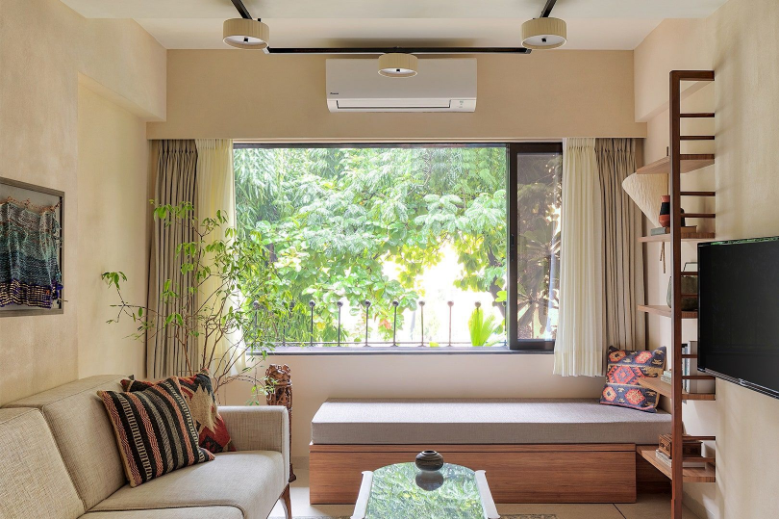
Consider a studio apartment where the bed is designed with built-in drawers
underneath. Instead of adding separate storage furniture, the bed itself becomes a
storage unit, reducing clutter and improving efficiency. This approach shows how every
element can serve more than one purpose.
Efficient Space Planning
The base of small space design is smart planning. The layout should allow easy
movement while supporting different activities in the same area. Open layouts work well
because they remove visual barriers and make the space feel bigger. With the right
planning, even a small home can function as efficiently as a larger one.
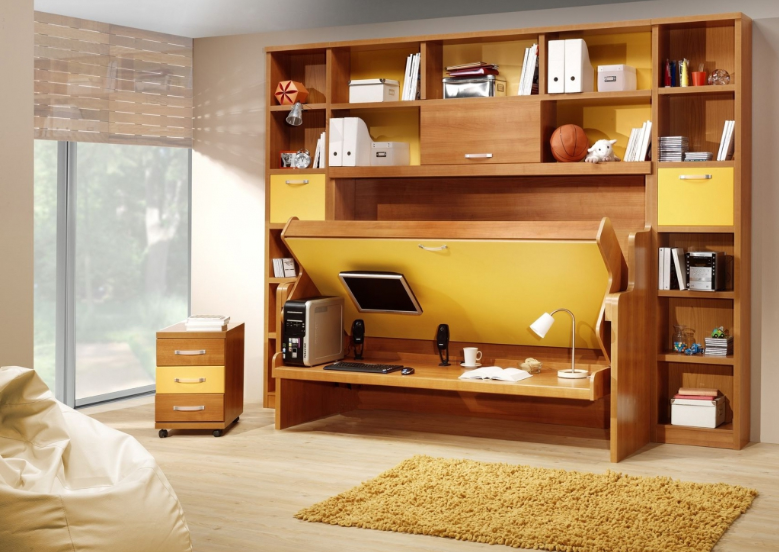
One room can be used as a living space during the day and turned into a bedroom at
night by using flexible furniture and simple rearrangement.
Multifunctional Layouts
In compact homes, multifunctionality is essential. Spaces are rarely limited to a single
purpose, and this flexibility allows residents to make the most of limited square footage.
Incorporating multifunctional elements can reduce the need for additional furniture, often
freeing up nearly half the space that would otherwise be occupied.
A dining table that doubles as a workspace or a sofa that converts into a bed are
common examples of how one element can serve multiple roles, making the space
more dynamic and efficient.
Smart Furniture Selection
Furniture plays a big role in how usable a small space feels. Choosing the right size and
type of furniture helps the room feel open instead of cramped. Lightweight, modular, and
multifunctional pieces work best because they can be moved easily and used in
different ways.
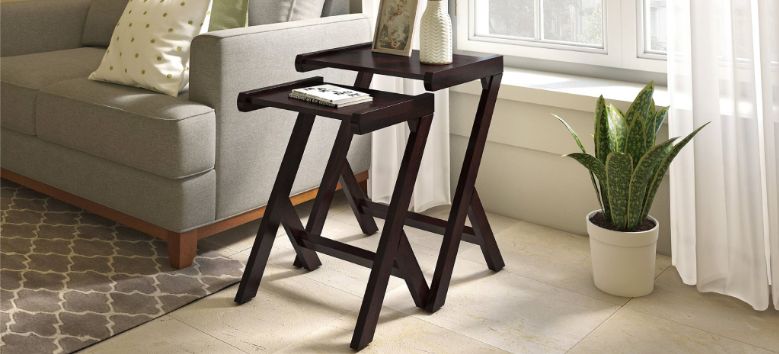
For example, nesting tables can be tucked away when not needed, and a foldable desk
can be opened only during work hours. Storage benches or ottomans also help by
providing seating and storage at the same time. The right furniture makes a small space
feel practical without sacrificing comfort.
Storage Solutions for Small Homes
Storage is one of the biggest challenges in compact homes. Without proper planning,
things can quickly pile up and make the space feel cluttered. The key is to include
storage in a way that doesn’t make the room look heavy or crowded.
Built-in wardrobes, under-bed storage, and hidden cabinets are great solutions. For
instance, a bed with drawers underneath can store clothes or extra items without
needing a separate cupboard. This keeps the space clean, organised, and easy to use.
Using Vertical Space Effectively
In small homes, floor space is limited, but walls offer a lot of unused potential. Using
vertical space helps free up the floor and makes the room feel more open.
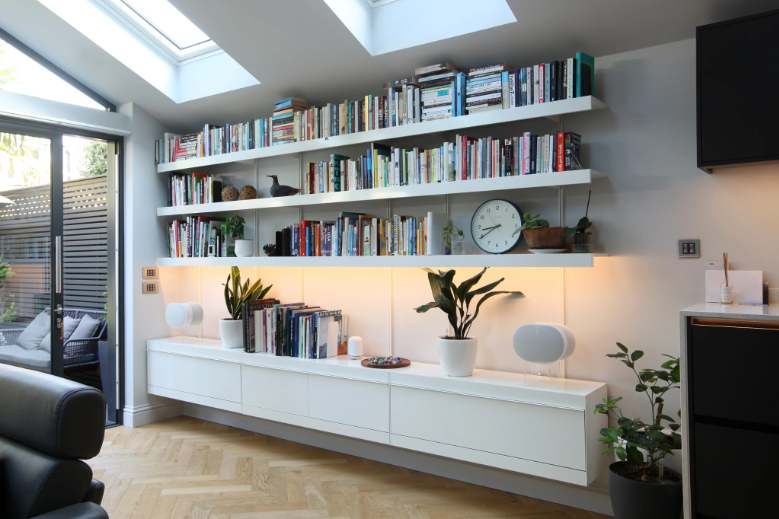
Tall shelves, wall-mounted units, and loft storage are simple ways to use height
effectively. Instead of using multiple small cabinets, a single tall shelf can store more
items while taking up less floor area. This makes the space feel less crowded and more
spacious.
Role of Colors and Materials
Colors and materials can completely change how a space looks and feels. Light colors
like white, beige, and pastels reflect more light and make a room feel bigger and
brighter.
Using mirrors, glass, or glossy surfaces can also help by reflecting light and creating a
sense of depth. For example, placing a mirror opposite a window can make the room
feel more open and airy without actually increasing its size.
Lighting for a Spacious Feel
Lighting plays a key role in shaping the perception of space. Natural light is especially
valuable in compact homes, as it enhances openness and comfort. When natural light is
limited, layered artificial lighting can create a similar effect.
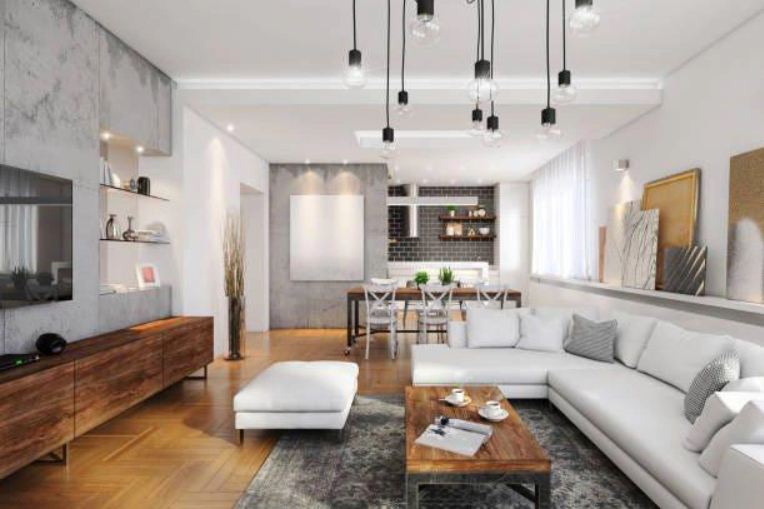
A combination of ceiling lights, wall sconces, and table lamps helps eliminate dark
corners and adds depth to the space. This layered approach ensures that the room
feels well-lit and visually balanced.
Flexibility and Adaptability in Design
Small spaces work best when they can adapt to different needs. As lifestyles change,
the space should be able to change with it. Movable furniture, foldable elements, and
sliding partitions make this possible.
For instance, a sliding divider can separate a workspace when needed and be opened
up later to create a larger room. This flexibility makes compact homes more functional
over time.
Adding Aesthetics Without Clutter
A small space can still look stylish if designed carefully. The idea is to add personality
without overcrowding the room. Instead of decorating every corner, focusing on a few
elements like an accent wall, textured cushions, or simple artwork can make a big
difference. This keeps the design balanced, ensuring the space feels both beautiful and
comfortable.
At ARCH, we train aspiring architects to think smart, design efficiently, and make every
square foot count. Through hands-on projects, studio learning, and real-world exposure,
students learn how to transform compact spaces into functional, thoughtful, and
well-designed environments. If you’re passionate about architecture that solves real
problems, this is where your journey starts. Admissions open now, apply today!