When people hear the term game designer, they often imagine someone spending their day playing video games and getting paid for it. It is an understandable assumption. After all, games are meant to be fun, entertaining, and engaging. However, the reality of game design is far more complex than simply sitting in front of a screen and playing for hours. Behind every successful game lies a carefully planned process that involves creativity, research, storytelling, psychology, technology, and problem-solving.
In this blog, we’ll explore what game designers really do and discover why game design is about much more than simply playing games.
Shaping How Players Think, Feel, and Play
Consider a popular game like Minecraft. Millions of players enjoy building structures, exploring landscapes, and surviving in its block-based world. While players focus on what they can create, game designers focus on questions that most players never think about. Why are resources distributed in a certain way? How does the game encourage creativity without giving players too much guidance? What makes exploration rewarding?
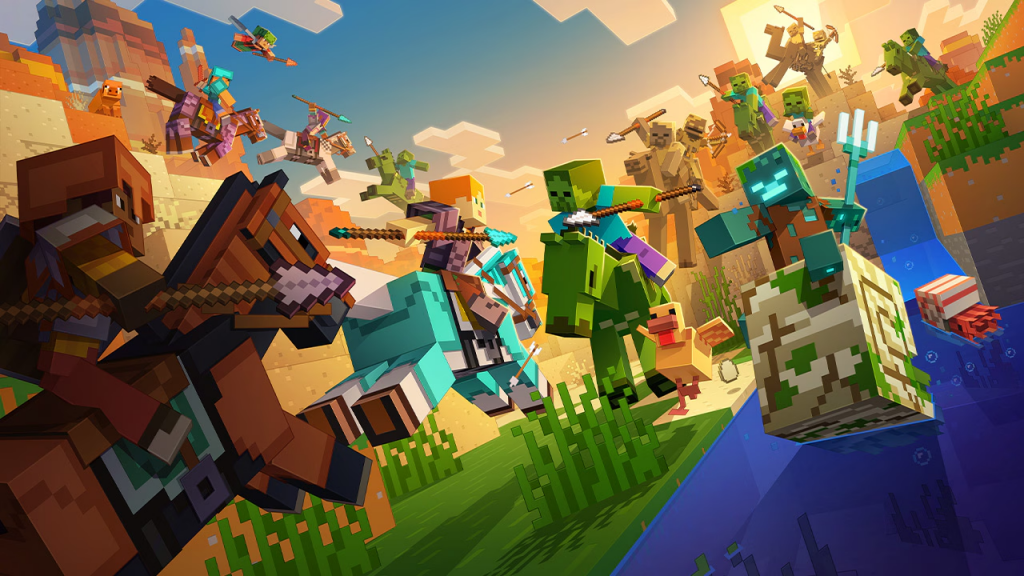
Every feature that seems simple to a player is often the result of countless design decisions. From movement mechanics to resource collection systems, every interaction is carefully crafted to create a specific experience. Game designers are constantly thinking about how each element contributes to engagement and enjoyment.
Understanding the Psychology Behind Player Engagement
One of the most important aspects of game design is understanding human behavior. Great games are not successful by accident. They are carefully designed to keep players motivated, challenged, and engaged. Designers study how people learn new skills, respond to rewards, and overcome obstacles. They use psychological principles to create experiences that feel satisfying and meaningful.
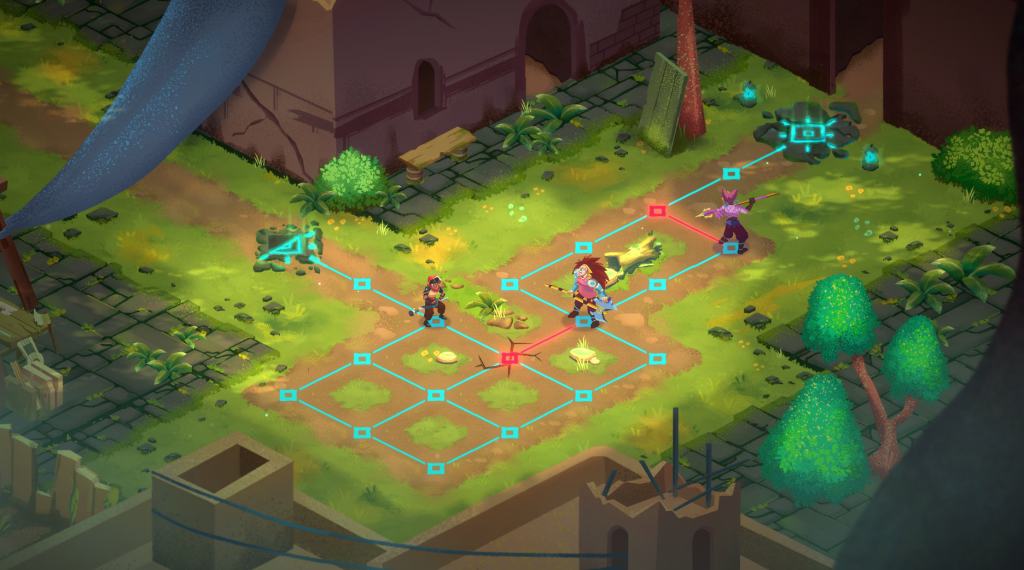
A simple example can be seen in puzzle games. If a puzzle is too easy, players quickly become bored. If it is too difficult, they may become frustrated and stop playing altogether. The designer’s challenge is to find the perfect balance between difficulty and achievement. This process requires observation, testing, and a deep understanding of player psychology. Achievements, unlockable content, progression systems, and daily challenges are all examples of how psychology influences game design.
Storytelling Through Interactive Worlds
Storytelling is another major component of game design. While books and films tell stories through words and visuals, games add an extra layer by allowing players to actively participate in the narrative. Designers work closely with writers, artists, and developers to create worlds that feel believable and immersive.
A game such as The Last of Us is often praised for its emotional storytelling. However, its impact does not come solely from dialogue or cinematic scenes. The environments, gameplay mechanics, and player choices all contribute to the overall experience. A deserted street
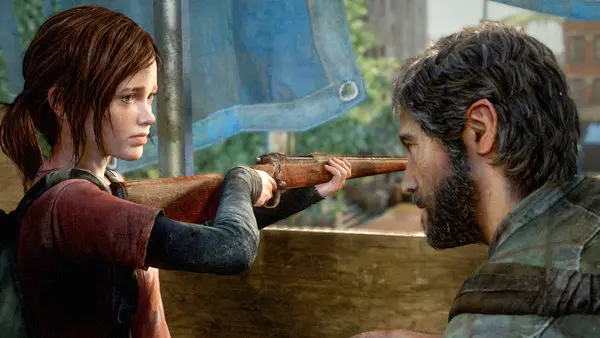
overgrown with vegetation immediately tells players that civilisation has changed dramatically. A difficult survival encounter can make players feel the same tension and uncertainty experienced by the characters. This is where game design becomes powerful; it allows people to experience stories rather than simply observe them.
Problem-Solving Through Play
Creativity is at the heart of game design, but creativity alone is not enough. Designers must also think strategically and solve complex problems. Every game presents challenges that need solutions. How can a player be introduced to a new mechanic without lengthy instructions? How can multiplayer matches remain fair and balanced? How can players feel a sense of progression without making the experience repetitive?
These questions require analytical thinking as much as creative imagination. Successful game designers constantly experiment, test ideas, and refine their work. It is common for a feature that seemed exciting during development to be completely redesigned after testing reveals unexpected problems. Game design is often described as a blend of art and science because it requires both innovation and structured decision-making.
Testing, Learning, and Improving
Another misconception is that game designers spend their time playing completed games. In reality, much of their work involves testing unfinished versions. They repeatedly play sections of a game, identify issues, gather feedback, and make adjustments.

For example, a racing game may require hundreds of adjustments before the controls feel smooth and responsive. A role-playing game may undergo numerous revisions to ensure that character progression feels rewarding and balanced. This process of continuous improvement is known as iteration, and it is one of the most important stages of game development. What players experience as a polished final product is often the result of months or years of testing, feedback, and refinement.
Bringing Ideas to Life Through Teamwork
Modern games are rarely created by a single individual. They are the result of collaboration between programmers, artists, animators, sound designers, writers, producers, and marketers. A game designer serves as a bridge between these different disciplines, helping ensure that every element contributes to a shared vision. Strong communication skills are essential. Designers must clearly explain ideas, understand technical constraints, and work closely with team members to bring concepts to life. Even the best ideas require teamwork to become successful products. This collaborative nature makes game design one of the most interdisciplinary careers in the creative industry.
As the gaming industry continues to evolve, the demand for creative thinkers, storytellers, designers, and innovators is growing rapidly. From developing creative problem-solving skills to understanding user experiences and interactive storytelling, ARCH prepares students for the careers shaping the future of design. If you’re passionate about creating experiences rather than simply consuming them, now is the perfect time to begin your journey.
Admissions Open. Apply now and take the first step towards building a future in the world of design, creativity, and innovation.