In today’s fast-paced and highly competitive marketplace, a strong brand is much more than a memorable logo or an attractive colour palette. It is the complete experience people associate with a company, how it looks, feels, communicates, and connects with its audience. Behind every successful brand is a designer who transforms ideas into meaningful visual and emotional experiences.
Whether it’s a startup launching its first product or a global company refreshing its identity, designers play a vital role in shaping how people perceive and remember a brand. Their work goes far beyond aesthetics. They help businesses communicate their values, build trust, and create lasting relationships with customers.
In this blog, we’ll explore how designers contribute to building strong brands and why their role has become more important than ever in today’s digital world.
First Impressions Begin with Design
People often form opinions about a brand within seconds. Before reading about a company’s products or services, customers usually notice its visual presentation. A professional logo, cohesive colour palette, readable typography, and clean layouts immediately communicate credibility and quality. On the other hand, inconsistent branding or poor design can make even an excellent product appear unreliable.
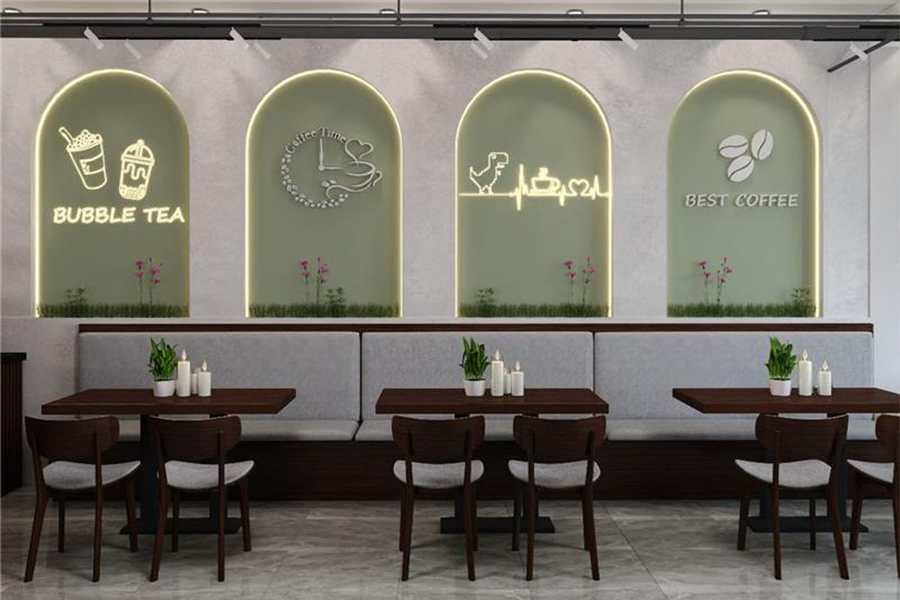
Imagine visiting two cafés for the first time. One has thoughtfully designed menus, attractive packaging, consistent signage, and a welcoming interior. The other uses mismatched colours, outdated graphics, and cluttered displays. Even before tasting the food, most customers are likely to trust the first café more because its design creates confidence.
This illustrates how designers influence perception long before a customer makes a purchase.
Creating a Unified Brand Experience
Consistency is one of the foundations of successful branding. Designers ensure that every visual element reflects the same personality and message across all platforms. From business cards and brochures to websites and Instagram posts, maintaining consistency helps customers recognize a brand instantly.
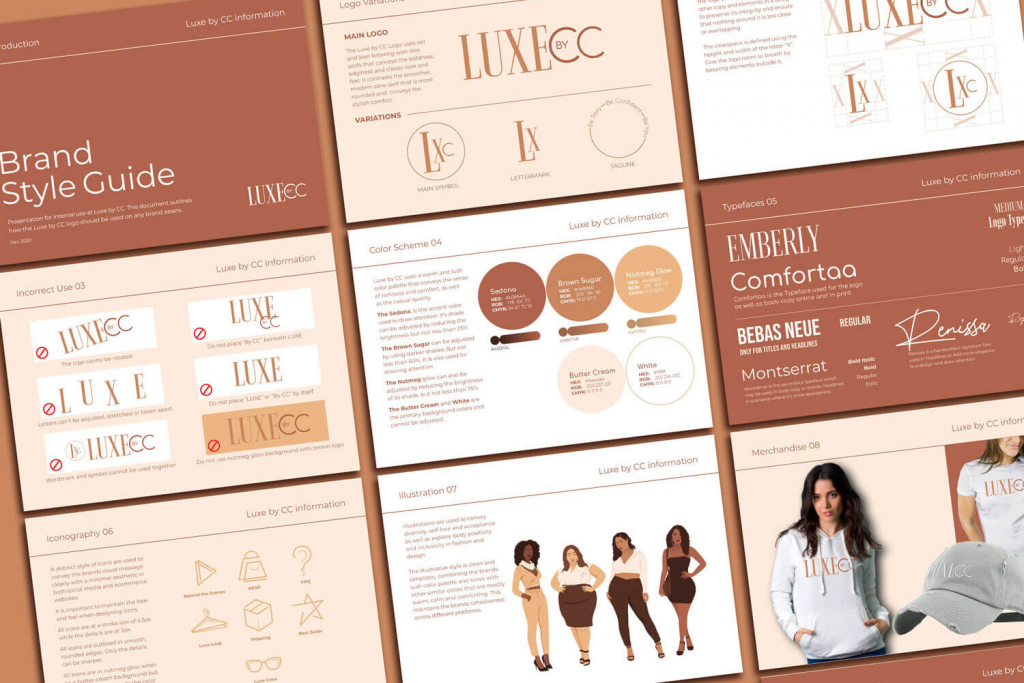
When a fashion brand uses the same typography, photography style, and colour palette across its website, advertisements, shopping bags, and social media, it creates a seamless experience. This familiarity strengthens customer trust and reinforces brand identity over time.
Consistency also helps businesses stand out in crowded markets where consumers encounter countless brands every day.
A Brand Story Through Design
Design is a powerful storytelling tool. Every visual decision, from colours and illustrations to packaging materials and photography, communicates something about a brand. A luxury brand may use elegant typography, premium materials, and minimalist layouts to reflect sophistication. A children’s toy company, on the other hand, may choose bright colours, playful illustrations, and bold typography to communicate fun and creativity.

Similarly, brands that prioritize sustainability often use recyclable packaging, earthy colour palettes, and natural textures to reinforce their environmental values. Design allows businesses to express who they are without relying solely on words.
Designing Experiences That Build Loyalty
Branding extends beyond logos and advertisements. Every interaction a customer has with a business contributes to their overall perception.
Designers help improve these experiences by creating intuitive websites, user-friendly mobile apps, informative packaging, and accessible digital interfaces. Their goal is to make every interaction simple, enjoyable, and memorable.
An e-commerce website with clear navigation, high-quality product images, and a smooth checkout process makes shopping effortless. Customers are more likely to trust and return to a brand that values their time and provides a seamless experience. In today’s digital landscape, user experience has become an essential part of branding.
Designers as Strategic Thinkers
Modern designers are no longer responsible only for creating attractive visuals. They also contribute to business strategy by understanding customer behaviour, market trends, and brand positioning. Before developing a visual identity, designers often research competitors, study target audiences, and define the brand’s personality. These insights help them create designs that not only look appealing but also solve communication challenges.
For instance, a startup targeting young professionals may require a modern, minimalist identity, while a heritage brand may benefit from a more timeless and traditional visual language. Designers make these strategic decisions based on research rather than personal preference.
Strong brands begin with strong design. At ARCH, students learn the principles of branding, visual communication, digital design, user experience, and creative strategy through an industry-focused curriculum and hands-on projects. With guidance from experienced faculty and exposure to real-world challenges, students develop the skills needed to build brands that make an impact.
Admissions are now open. Start your journey at ARCH College of Design & Business and become a designer who shapes the brands of tomorrow.