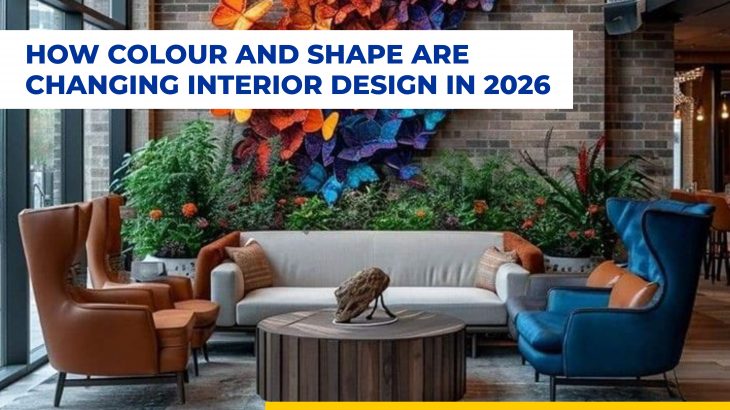
As we move further into 2026, interior design is entering a phase of thoughtful maturity. The era of stark minimalism and overused “millennial grey” is fading away. Instead, we are entering an era where homes are treated as soulful sanctuaries that prioritise emotional well-being, comfort, and a bold sense of narrative. It is a space where colour and shape finally speak the same language to create a room that doesn’t just look designed, but feels deeply intentional.
For design students, understanding these changes is crucial because colour and form are two of the most powerful tools in interior design. Mastering the balance between a calming palette and a functional layout is what allows a designer to transform a space into a sanctuary. In this blog, we look at the most popular colours and shapes currently trending in interior design to understand how they are reshaping our homes.
Warm Earthy Neutrals: The Foundation of Modern Interiors
One of the strongest trends recently is the shift away from stark whites and cool greys toward warm, earthy neutrals. For years, “modern” was synonymous with clinical, high-contrast palettes. However, we are now seeing shades such as terracotta, clay, sand, warm beige, and mushroom tones dominating contemporary interiors.
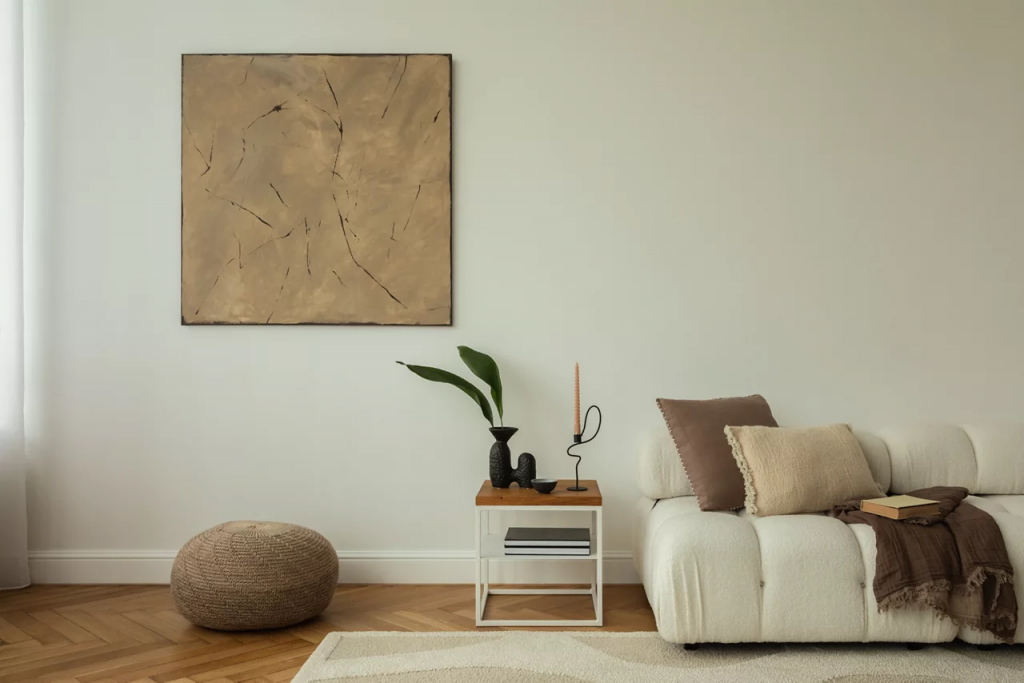
These colours create a calming, grounded atmosphere that connects indoor spaces with natural environments. There is something inherently stabilising about these tones; they mimic the hues of the earth, providing a sense of permanence in an increasingly digital world. A good example can be seen in boutique hotels and modern homes that design terracotta walls with neutral upholstery and wooden finishes.
Deep Greens and Rich Blues as Accent Colours
Though neutral palettes remain a staple, modern interiors are increasingly leaning into deeper, moodier hues to anchor a room with sophistication. Shades like forest green, olive, navy, and indigo have transitioned from niche choices to the “new neutrals” of contemporary design. These colours are often used in statement elements such as kitchen cabinets, feature walls, sofas, or upholstered chairs.
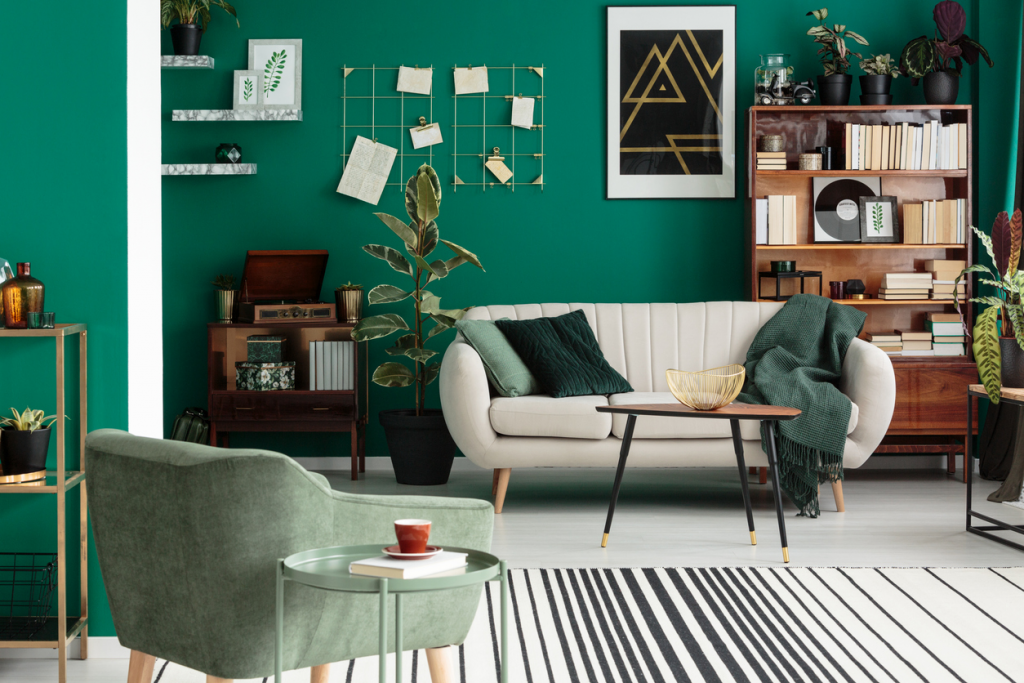
According to recent industry reports, green has emerged as the dominant global accent color. This surge is largely driven by the rise of biophilic design, where homeowners use lush greens to create a sense of wellness and bring a calming, organic connection to the outdoors into their living spaces.
Muted Pastels for Soft and Contemporary Spaces
Another growing trend is the use of muted pastel colours such as dusty rose, sage green, lavender grey, and pale peach. Unlike the sugary, bright pastels of previous decades, these contemporary iterations are softer and more desaturated, allowing them to add a subtle wash of color without overwhelming the architecture.
According to current trend forecasts, these shades are particularly effective in spaces designed to feel calm and creative, making them a staple in boutique retail, modern cafés, and creative studios. In residential settings, a bedroom featuring sage green walls paired with light wooden furniture and neutral textiles serves as a perfect example of how these tones set a restorative atmosphere. Similarly, the use of dusty pink walls alongside minimalist decor has become a hallmark of modern hospitality interiors, providing a backdrop that feels both stylish and approachable. Ultimately, the versatility of muted pastels lies in their ability to inject personality into both commercial and living spaces while maintaining a sense of airy, understated elegance.
Curves and Rounded Forms in Furniture and Architecture
Beyond color, the structural geometry of a room defines its visual identity, and current trends show a definitive shift from rigid, linear layouts toward fluid, rounded forms. Modern furniture design is increasingly dominated by curved sofas, circular coffee tables, and arched shelving, reflecting a broader movement toward softer architectural lines. This transition is deeply rooted in design psychology, which suggests that humans perceive curved shapes as more comforting and approachable than sharp, intimidating angles.
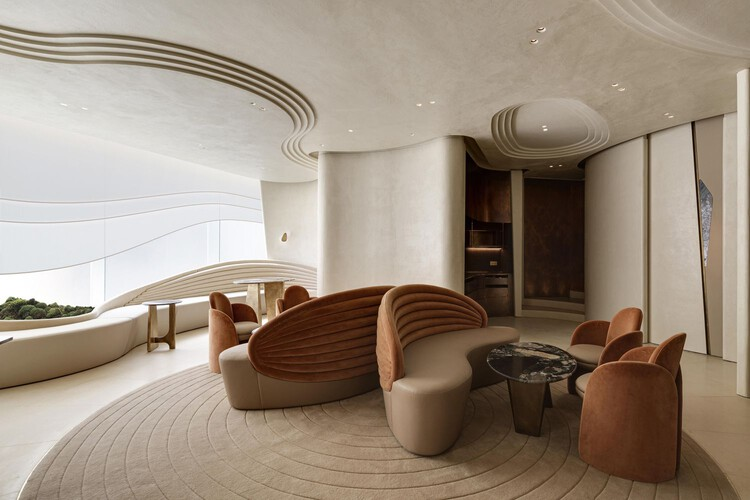
By replacing traditional rectangular arrangements with curved sectional seating and round tables, designers can create a sense of an organic movement and flow within a living space. This softening of the interior landscape shows up in the arched doorways, rounded mirrors, and curved wall niches, adding a layer of sophisticated visual interest to an otherwise minimalist environment.
Organic Shapes Inspired by Nature
Another major design trend involves organic forms inspired by nature. Instead of sticking to perfect circles or squares, designers are opting for shapes that resemble river stones, ocean waves, or forest leaves. This shift helps break the monotony of rigid architecture, introducing “living” geometry through coffee tables with uneven live edges, sculptural lighting, and asymmetrical decor that feels more like art than furniture.
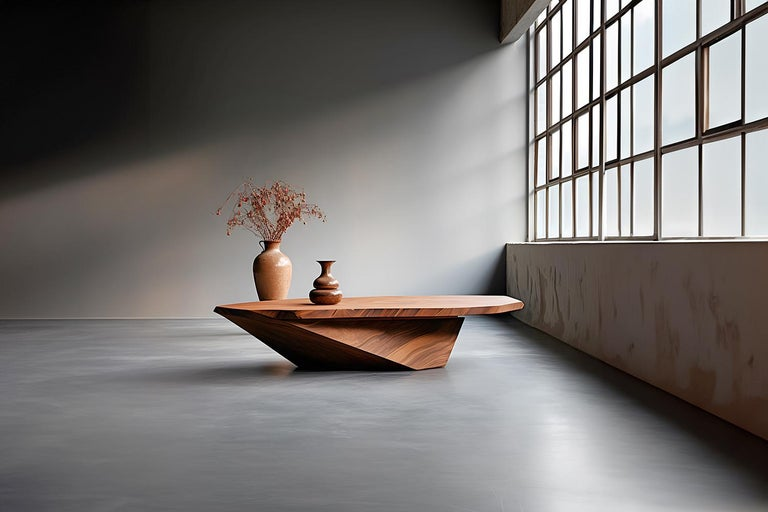
This aesthetic is a core pillar of biophilic design, a movement dedicated to strengthening the human connection to nature within our homes and offices. By integrating these raw, natural shapes alongside organic materials, designers can create environments that do more than just look good. Research indicates that living in spaces that mimic natural patterns can significantly boost productivity, elevate mood, and improve overall well-being.
Balanced Geometry in Contemporary Interiors
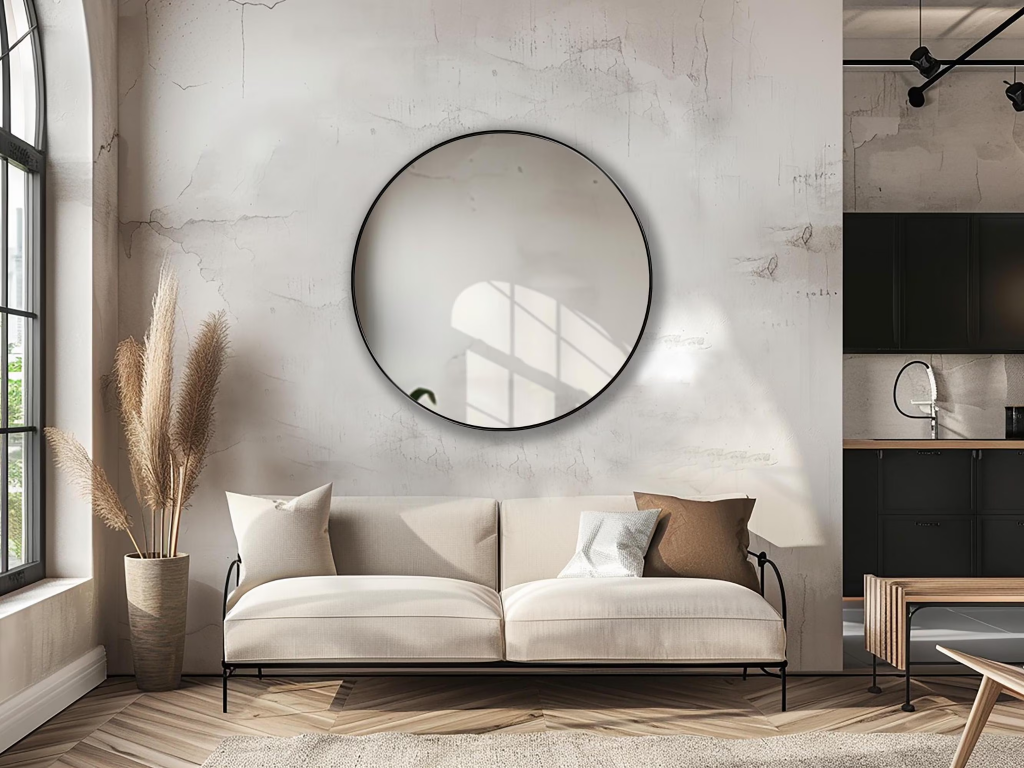
While organic forms are currently in the spotlight, structured geometric shapes like circles, ovals, and rectangles remain essential for maintaining a sense of order. The defining feature of modern design isn’t the absence of these shapes, but rather the way they are layered; designers now balance rigid layouts with softer furniture and varied textures to prevent a space from feeling too clinical.
For instance, a space might feature rectangular wall panels with a circular mirror and curved seating, creating a harmonious blend of order and softness.
At ARCH, students are encouraged to explore these ideas through hands-on studio work, material experimentation, and real-world design projects. The curriculum is designed to help aspiring designers develop a strong foundation in colour theory, form, and spatial design while staying informed about global trends shaping contemporary interiors. By combining creative thinking with practical learning, the program prepares students to transform concepts into meaningful design solutions. For students passionate about interiors, architecture, and visual storytelling, ARCH offers the environment, mentorship, and resources needed to build a confident and future-ready design career.
Begin your journey with us and take the first step toward a career in architecture and interior design.
Top Trending Colours and Shapes in Interior Design
1. Introduction
- Importance of colour and form in interior design
- How trends reflect lifestyle, emotion, and contemporary living
- Relevance of understanding trends for design students
2. Why Colour and Shape Trends Matter
- Role of colour in mood, comfort, and spatial perception
- Impact of form and geometry on movement and experience
- Shift from purely aesthetic design to emotional design
3. Top Trending Colours in Contemporary Interiors
- Rise of warm earthy neutrals
- Strategic use of bold accent colours
- Growing importance of colour psychology
4. Top Trending Shapes and Forms in Interior Design
- Move from sharp lines to curves and rounded forms
- Organic and nature-inspired shapes
- Continued relevance of simple geometric forms
5. Combining Colour and Shape in Modern Spaces
- How colours enhance form and structure
- Creating balance between soft forms and strong hues
- Visual harmony through integrated design elements
6. Application Across Different Interior Spaces
- Residential interiors
- Commercial and workspace design
- Hospitality and retail environments
Conclusion
- Summary of major colour and shape trends
- Relevance for Interior Design Students