
In today’s digital-first world, the success of a product often depends on how easily and effectively users can actually use it and how intuitive, smooth, and enjoyable the experience feels. If something is confusing or frustrating, people simply won’t stick around. That’s where UI/UX designers come in. They focus on creating functional, user-friendly experiences.
UI/UX designers bridge the gap between users and technology by ensuring that products are designed with real human needs in mind. But good design isn’t a solo effort. It grows through collaboration. Designers work closely with developers and product managers, constantly exchanging ideas and feedback to build products that not only work well but also scale effectively.
In this blog, we’ll understand how UI/UX designers work within product teams and how their collaboration shapes better, user-friendly products.
Inside a Product Team
A product team is a cross-functional group of professionals working together to build, launch, and improve a product. Typically, it includes product managers, developers, UI/UX designers, and sometimes marketers or data analysts.
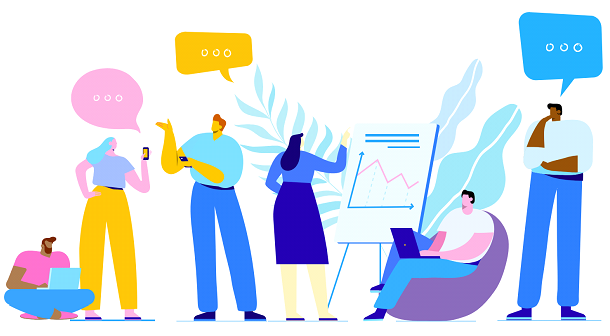
Each member brings a different expertise to the table, but they all share a common goal: creating a successful product that delivers value to users. Designers focus on understanding user needs and crafting intuitive experiences, developers ensure that these ideas are technically feasible and can be built effectively, and product managers align all efforts with broader business goals. Together, this collaboration helps create products that are user-friendly, functional, and strategically sound.
UX Designers: The Problem Solvers
UX designers focus on how a product works and how it feels for the user at every step. Their main goal is to solve real problems through thoughtful, user-centred design. For example, imagine you’re using a food delivery app, and you can’t find the “track order” option after placing your order. It feels frustrating, right? A UX designer works to prevent exactly this kind of confusion.
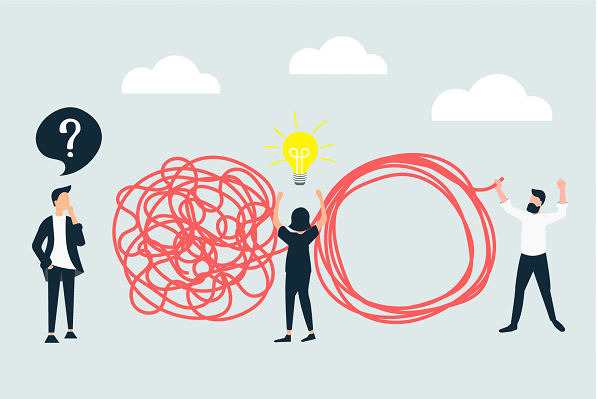
They start with user research, talking to users, running surveys, or testing how people interact with the app to understand such pain points. Then, they create user flows to map out simple and logical steps, like making sure “track order” is easy to find right after checkout. Next, they design wireframes and prototypes to visualise and test these ideas before development. In a product team, UX designers act as the voice of the user, ensuring the final product feels smooth, intuitive, and frustration-free.
UI Designers: Adding the “Wow” to the “How”
UI (User Interface) designers focus on how a product looks and feels. They build on the structure created by UX designers and bring clarity, personality, and polish to the experience. Imagine a banking app where UX ensures you can transfer money. The UI designer decides how the buttons look, which colours build trust (like blues and whites), how the text is styled, and how smooth the transitions feel when you complete a payment.

Their work includes crafting layouts, choosing typography and color palettes, and designing icons that make the interface intuitive. They also design interactions like buttons, animations, and transitions that make the product feel responsive and alive. To keep everything consistent, UI designers create and maintain design systems so every screen feels connected. At the same time, they ensure the interface reflects the brand’s identity and tone.
From Idea to Launch: How the Design Process Works?
The design process in product teams isn’t a straight line; it’s iterative. It keeps evolving through collaboration and feedback. Instead of designing once and finishing, teams continuously test, learn, and improve the product.
It usually starts with research and ideation, where the team tries to deeply understand the problem and the users. UX designers gather insights and help validate ideas so the team is solving the right problem. Next comes design and prototyping, which helps everyone visualise how the product will work before it’s actually built. UI designers then refine these into detailed, interactive designs.
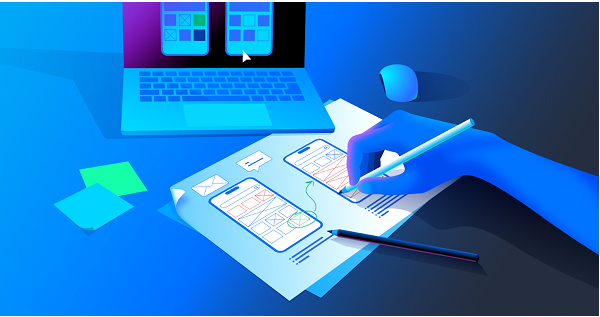
After that, the product goes through user testing and iteration. Real users interact with the design, and their feedback highlights what’s confusing or not working. Based on this, designers make improvements, sometimes multiple times. Once the design is ready, it moves to implementation, where developers build the product. Designers stay involved to ensure everything looks and works as intended.
Even after launch, the process doesn’t stop. Through continuous improvement, teams track user feedback and performance data to keep refining the product over time.
If reading about how UI/UX designers work within product teams sparked your interest, it’s worth asking yourself, are you ready to move beyond just learning design tools and start thinking like a real problem solver? At ARCH College of Design & Business, design education goes deeper than aesthetics. Students are trained to understand users, collaborate across disciplines, and approach design as a strategic process just like in real product teams.
Through hands-on projects, industry interactions, and a strong focus on research and innovation, ARCH prepares you to step into the professional world with clarity and confidence. Admissions are now open. Take the first step towards becoming a future-ready designer.
How UI/UX Designers Work in Product Teams
- Introduction
⦁ Role of UI/UX designers in shaping user-friendly products
⦁ Why collaboration is essential in modern product teams - Understanding Product Teams
⦁ What a product team is and how it functions
⦁ Importance of cross-disciplinary collaboration in building successful products - Role of UX Designers in Product Teams
⦁ Conducting user research and understanding user needs
⦁ Creating user flows, wireframes, and prototypes
⦁ Ensuring the product solves real user problems - Role of UI Designers in Product Teams
⦁ Designing the visual interface of the product
⦁ Creating layouts, typography, colour schemes, and interactive elements
⦁ Maintaining visual consistency through design systems - Collaboration with Developers and Product Managers
⦁ Translating design concepts into functional digital products
⦁ Working with developers to ensure designs are technically feasible
⦁ Aligning design decisions with product goals and user needs - The Design Process within Product Teams
⦁ Research and ideation stage
⦁ User testing and iteration
⦁ Final implementation and continuous improvement
Conclusion
- UI/UX designers as key contributors in product development
- Collaboration as the foundation of successful digital products
- Encouragement for students to develop both design and teamwork skills