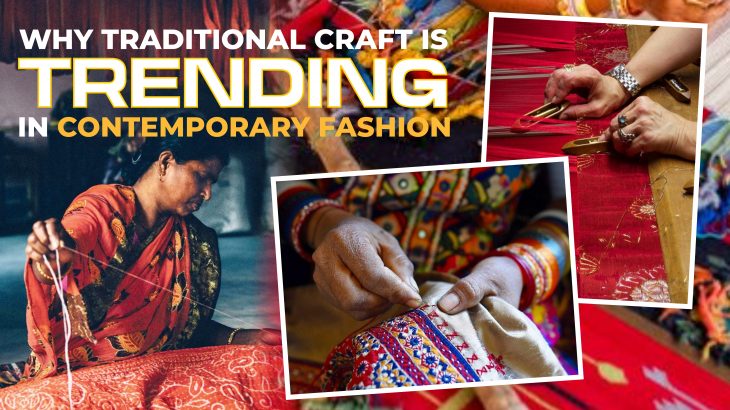
The soul of fashion is shifting back to its roots. Traditional craft is the new luxury. Global runways, luxury houses, and indie boutiques alike are now championing heritage techniques, from the rhythmic precision of block printing to the organic allure of hand-dyeing and natural textiles. This evolution signals today’s shoppers aren’t just looking for style; they are investing in authenticity, sustainability, and the human story woven into every thread.
Traditionally, textile crafts were closely associated with cultural identity, rituals, and regional clothing. For a long time, these techniques were limited to ethnic wear categories and were rarely explored in modern silhouettes. Contemporary fashion, however, has broken this boundary. Designers today are reworking traditional crafts through clean cuts, minimal styling, and modern construction, allowing handcrafted techniques to exist comfortably within everyday and global fashion contexts. This reinterpretation is particularly important for young designers, as it shows how heritage can be adapted rather than replicated.
Block Printing Beyond Ethnic Wear
Block printing is one of the most visible examples of this transformation. Historically used for all-over patterns on sarees, dupattas, and kurtas, block printing is now being applied with restraint and intention. Contemporary designers move away from dense repetition and instead experiment with selective placement, negative space, and scale variation. Motifs may appear only on hems, panels, or sleeves, allowing the garment to breathe visually.
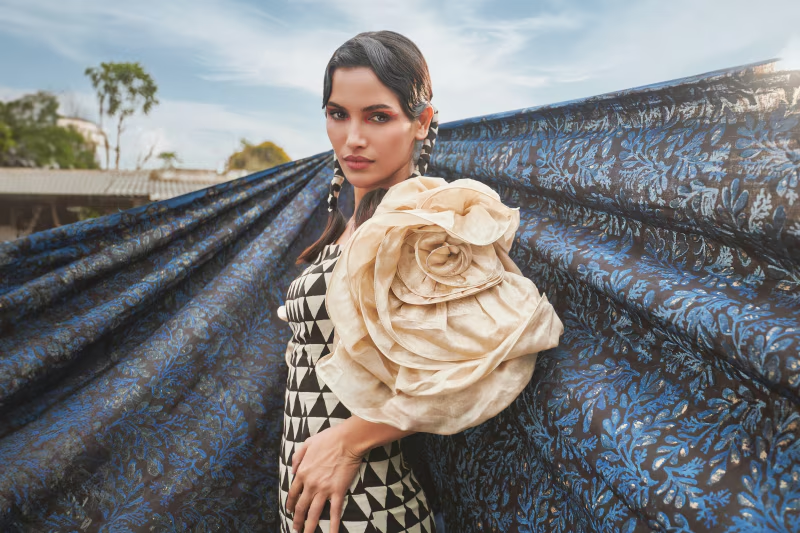
Minimal and monochromatic colour palettes, such as indigo on off-white or black on beige, further enhance the modern appeal. Indian brands like Anavila and Raw Mango have successfully used block-printed textiles in relaxed, contemporary silhouettes, proving that the technique can feel timeless rather than traditional.
Modern Expressions of Hand Dyeing
Hand dyeing has also emerged as a powerful surface technique in modern fashion. Processes such as indigo dyeing, shibori, resist dyeing, and ombré introduce depth, variation, and individuality that are difficult to achieve through industrial methods. Instead of bold contrasts, contemporary collections often feature muted tones, soft gradients, or partially dyed fabrics. These subtle effects create visual interest without overpowering the garment.
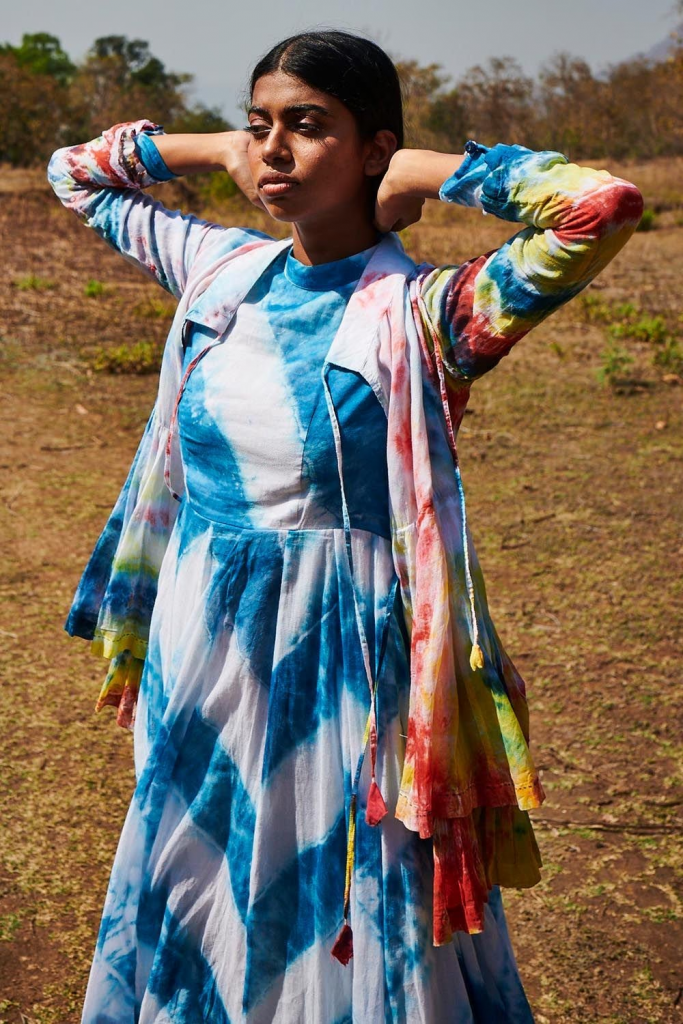
Designers use hand-dyed textiles in clean dresses, co-ord sets, shirts, and outerwear, allowing the surface treatment to add character while maintaining wearability. Brands like Fabindia have evolved their approach over time, pairing hand-dyed fabrics with modern cuts to suit urban lifestyles.
Natural Materials for Modern Fashion
Natural fibres play a central role in the growing relevance of craft in contemporary fashion. Cotton, linen, silk, wool, and their blends are valued not only for their environmental benefits but also for their tactile and visual qualities. According to industry reports, a significant rise in conscious consumer behaviour has increased demand for breathable, biodegradable, and ethically sourced materials. Natural fibres offer comfort, durability, and versatility, making them ideal for modern wardrobes.
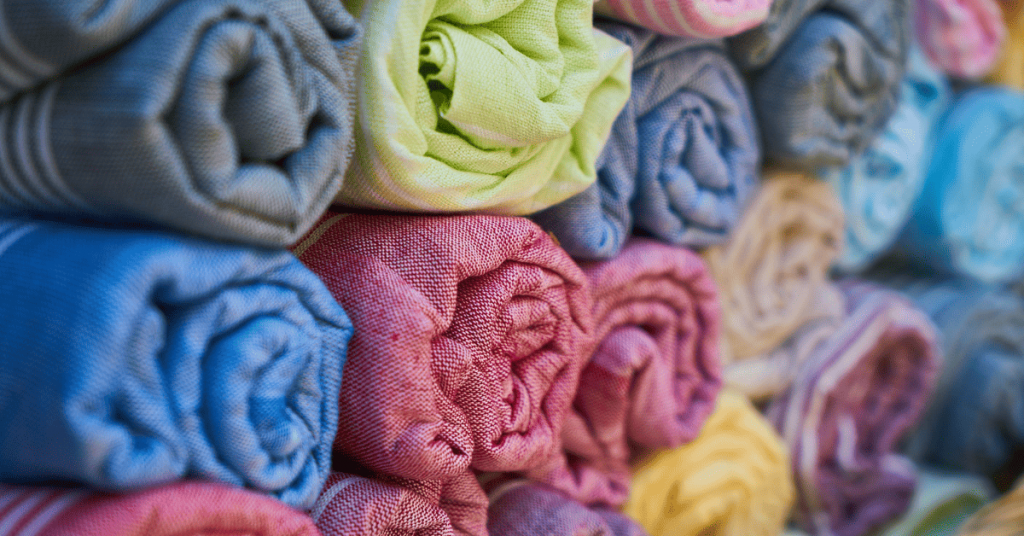
Designers today highlight the raw texture and inherent beauty of these materials instead of masking them with heavy finishes. Clean construction, minimal detailing, and thoughtful tailoring allow the fabric itself to become the focal point. Global brands such as Eileen Fisher demonstrate how natural fibres can form the foundation of contemporary, minimalist fashion.
Making Craft Relevant Today
One of the defining characteristics of craft in contemporary fashion is contrast. Handcrafted textiles are often paired with sharp tailoring, structured silhouettes, and precise construction techniques. This balance prevents craft from appearing overly decorative or costume-like.
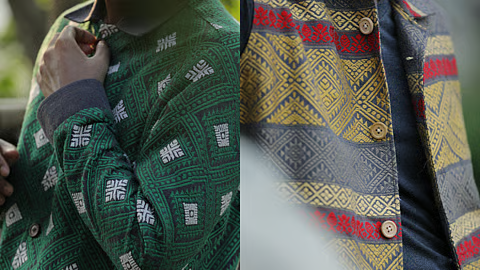
Designers consciously avoid excessive embellishment, allowing craft to function as an enhancement rather than the central focus. Indian design duo Abraham & Thakore exemplify this approach by combining handwoven fabrics with understated silhouettes and intellectual design language. Their work shows that craft can feel modern, refined, and globally relevant when used thoughtfully.
From a market perspective, traditional craft aligns strongly with the values shaping contemporary fashion. Consumers today are increasingly interested in knowing how and where their clothes are made. Data from global fashion studies indicates that sustainability and ethical production significantly influence purchasing decisions, especially among younger consumers. Craft-based fashion responds to this demand by offering transparency, human connection, and longevity qualities that fast fashion often lacks. For design students, this presents an opportunity to create fashion that is both meaningful and commercially viable.
For aspiring designers, the evolving relationship between craft and contemporary fashion highlights the importance of strong design education. It plays a vital role in shaping creative thinkers who understand material, form, history, and innovation. Studying in ARCH, a focused academic environment, encourages students to think conceptually, experiment with traditional techniques, and apply them to modern contexts. Such institutions help students develop a balance between creativity and structure, preparing them not just for a career in fashion but for leadership roles across the wider design industry.
For those passionate about craft and design, choosing the right design college can be the first step toward shaping the future of fashion. Join ARCH today!
Why Traditional Craft Is Trending in Contemporary Fashion
1. Introduction
- Brief overview of traditional textile techniques in fashion
- Shift from ethnic/traditional wear to contemporary applications
- Importance of craft reinterpretation for modern design students
2. Block Printing in Contemporary Fashion
- Traditional significance of block printing
- Moving beyond all-over ethnic prints
- Use of selective placement, scale variation, and minimal colour palettes
3. Hand Dyeing as a Modern Surface Technique
- Overview of hand dyeing methods (indigo, shibori, resist, ombré)
- Use of subtle tones and partial dyeing
- Application in modern silhouettes
4. Role of Natural Fibres in Contemporary Collections
- Importance of cotton, linen, silk, wool, and blends
- Comfort, sustainability, and material expression
- Clean construction and minimal finishes
5. Craft in Contemporary Fashion
- Contrast between handmade textiles and sharp tailoring
- Avoiding over-ornamentation
- Craft as an enhancement, not the focus
Conclusion
- Importance of balance between heritage and innovation
- Future relevance of craft in contemporary fashion