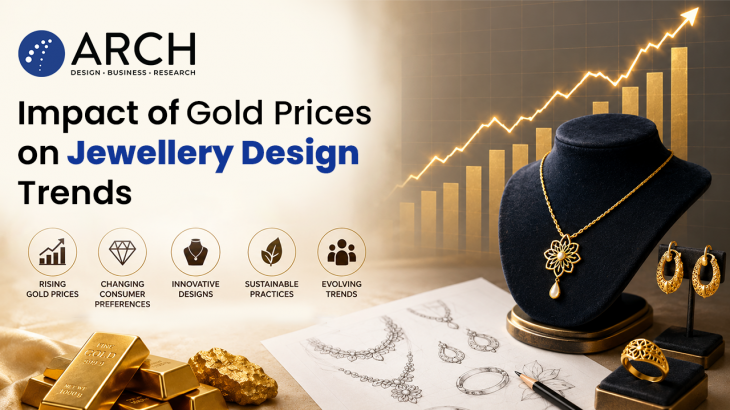
Gold has always held a special place in Indian culture. It represents tradition, celebration, status, investment, and emotional value. From weddings and festivals to family heirlooms, gold jewellery has been deeply connected to Indian lifestyles for generations. However, recently, due to global economic uncertainty and ongoing war crises, gold prices have increased rapidly, leading to a noticeable transformation in the jewellery industry.
The rise in gold prices is not only affecting consumers’ purchasing decisions but also changing the way jewellery is designed, marketed, and consumed. Designers are now focusing on innovation, functionality, and lightweight luxury instead of creating jewellery based purely on gold weight. This shift is giving rise to a completely new era in jewellery design.
The Shift Towards Lightweight Jewellery
One of the most visible impacts of rising gold prices is the growing popularity of lightweight jewellery. Consumers still want the elegance and emotional value associated with gold, but they are becoming more practical about spending.
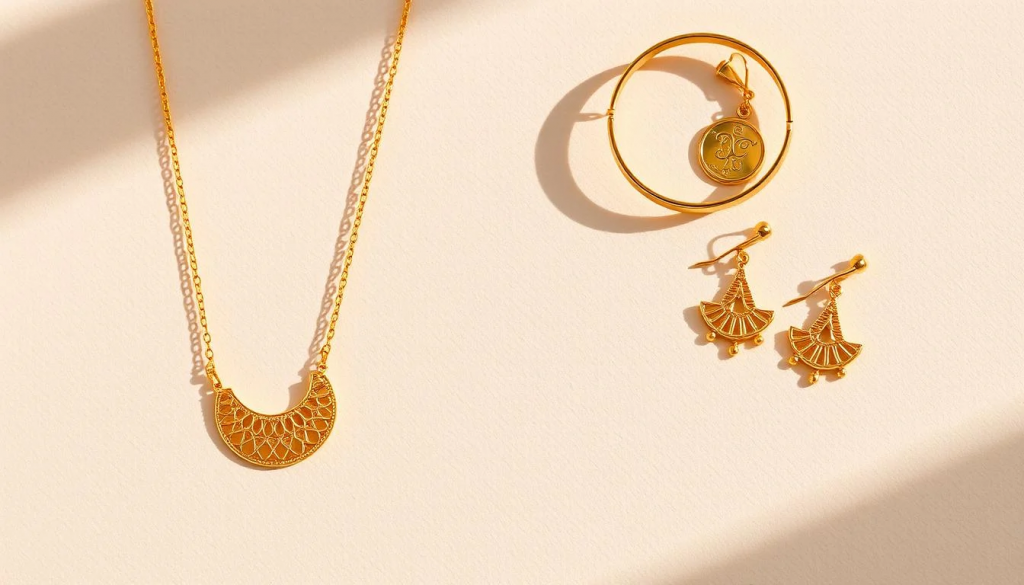
Heavy gold sets are gradually being replaced by lightweight pieces that are stylish, wearable, and affordable. Designers are using advanced techniques to create jewellery that appears grand while using less gold material. Hollow structures, fine detailing, layered chains, and sleek forms are becoming increasingly common in modern jewellery collections.
Lightweight jewellery is especially popular among younger buyers who prefer versatile pieces that can be worn daily rather than stored away for special occasions. This trend has made jewellery more fashion-oriented and lifestyle-friendly.
Minimalism is Redefining Luxury
The concept of luxury in jewellery is changing. Earlier, luxury was often associated with larger and heavier pieces. Today, modern consumers are drawn toward minimalism and elegance.
Minimal jewellery designs such as delicate pendants, stackable rings, thin bracelets, and geometric earrings are becoming more desirable. Consumers are choosing pieces that blend easily with western wear, office outfits, and casual styling.
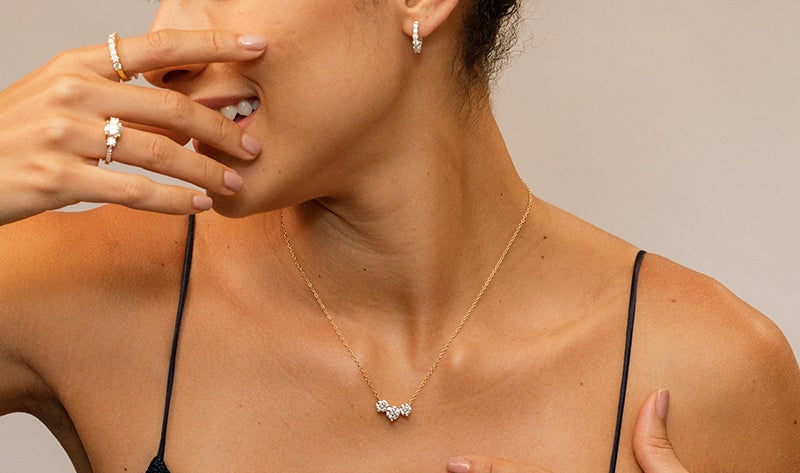
This change is strongly influenced by millennials and Gen Z consumers who value practicality, comfort, and personal expression. For them, jewellery is not only an investment but also a fashion statement. As a result, jewellery design is moving toward cleaner aesthetics and timeless styles instead of excessive ornamentation.
Increased Use of Gemstones and Alternative Materials
As gold becomes more expensive, jewellery designers are exploring alternative ways to maintain a luxurious appearance without increasing overall costs. This has led to a rise in the use of gemstones, pearls, enamel work, and mixed metals.
Lab-grown diamonds are also becoming increasingly popular because they offer a premium look at a comparatively lower cost. Many modern jewellery collections now focus more on design creativity and stone detailing rather than the quantity of gold used.
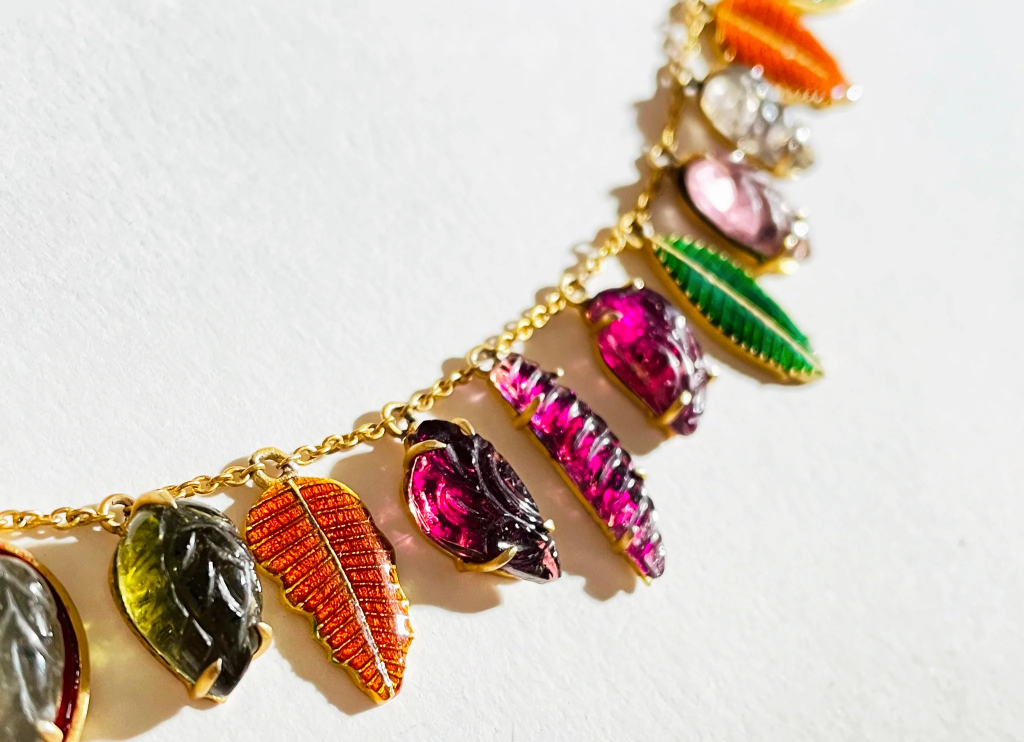
Sterling silver and gold-plated jewellery are also gaining popularity among younger audiences who want affordable luxury. Mixed-metal jewellery combining gold, silver, and rose gold tones is emerging as a strong trend in both fashion and fine jewellery categories.
These innovations are helping designers experiment with bold concepts while making jewellery more accessible to a wider audience.
Changing Bridal Jewellery Trends
Bridal jewellery has traditionally been associated with heavy gold ornaments and elaborate sets. However, rising gold prices are changing bridal preferences as well.
Modern brides are now choosing jewellery that is elegant, lightweight, and reusable. Instead of investing in extremely heavy sets that may only be worn once, many brides prefer versatile pieces that can be styled differently after the wedding.
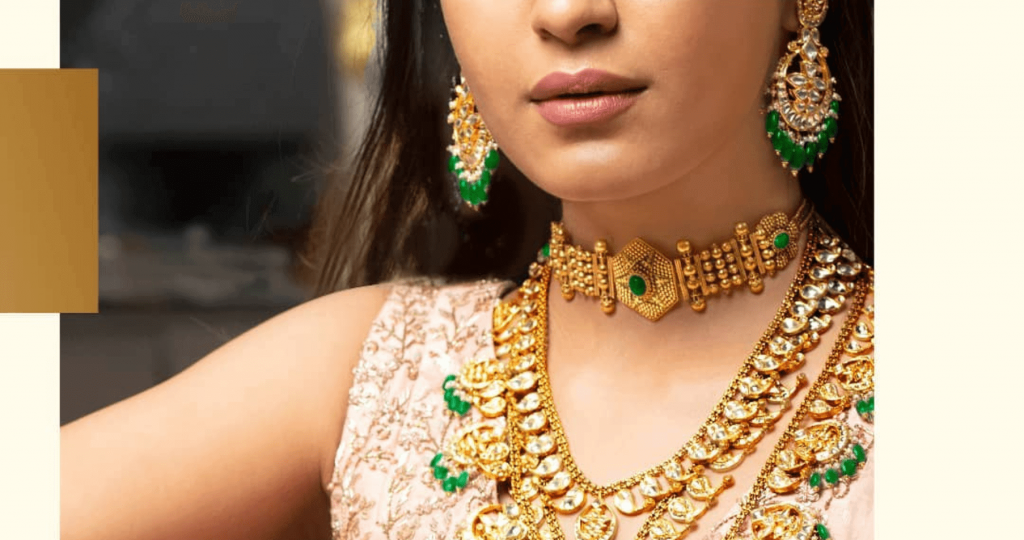
Convertible jewellery is becoming highly popular in bridal collections. Necklaces that can be worn as separate layers, detachable elements, and multi-purpose jewellery pieces are gaining demand. Brides are also increasingly choosing statement jewellery with intricate craftsmanship rather than focusing only on gold weight.
This shift reflects a larger change in consumer thinking where design value is becoming more important than material quantity
At ARCH, students are encouraged to explore how global trends, economic shifts, and cultural changes influence the future of design. From jewellery and fashion to product and interior design, ARCH empowers young creatives to transform challenges into innovation through industry-focused learning, practical exposure, and future-ready design thinking.
Explore the future of creative innovation with ARCH. Apply now and turn your creative passion into a successful design career.